Introduction
Creating reliable visitor information is essential for smooth and safe visits. Clear guidance builds confidence and prevents confusion. It also helps organizations manage crowds, improve safety, and reduce operational stress. This guide explains how to design visitor information that works in real-world settings. It also showcases examples and best practices that support smooth and safe experiences from start to finish.
Understanding Why Visitor Information Matters
Visitor information sets expectations. It clarifies actions, directs movement, and ensures people feel prepared before they arrive. When you deliver accurate and timely information, visitors trust your process. This trust has a direct impact on safety, satisfaction, and the overall experience.
High-quality guidance reduces congestion, improves emergency response, and minimizes unnecessary questions. It also supports people with different needs, including first-time visitors, elderly visitors, and those with accessibility concerns.
How Visitor Information Ensures Smooth And Safe Visits
Good visitor communication is proactive. It predicts challenges before they appear. It gives visitors confidence in their route, activities, and safety protocols. The more organized your communication is, the smoother the experience becomes for everyone involved.
Improves Navigation
Well-planned instructions help visitors move through your space without confusion. Clear signs, updated maps, and simple directions reduce delays. This also prevents crowding in key areas.
Enhances Safety
Providing security rules early helps people understand what to expect. When visitors know what items are restricted or how emergency exits work, your entire facility becomes safer.

Reduces Overwhelm
Some people feel stressed in unfamiliar environments. Thoughtful visitor information removes uncertainty. It helps them feel calm and prepared at every stage of the visit.
Key Elements of Effective Visitor Information
To ensure smooth and safe visits, focus on accuracy, clarity, and accessibility. Include only what a visitor truly needs. Avoid long explanations or technical wording. Simple language works best.
Accurate Details
Every instruction should be correct. Outdated information confuses visitors and increases risks. Always update your directions, rules, and schedules.
Clear Instructions
Short sentences and simple words help visitors understand your message faster. Avoid long paragraphs or unnecessary detail. The goal is instant clarity.
Accessible Formats
Ensure your information is readable on mobile devices. Provide print options when needed. Use visual guides, icons, and color-coded paths where possible.
How to Prepare Visitors Before Arrival
Pre-visit communication is essential for smooth and safe visits. When guests know what to expect, the visit runs more efficiently.
Create a Helpful Pre-Arrival Email
A pre-arrival email should include parking details, entry requirements, timings, and what to bring. It can also include a map. Many organizations attach short videos to show entry routes.
Provide a Mobile-Friendly Page
Visitors use phones more than computers. A mobile-friendly page makes it easier for them to check instructions while on the move. Include short sections and quick navigation links.
Share Safety Guidelines
Safety rules must be visible before the visit. This prepares visitors for screening procedures, restricted items, and emergency rules. It reduces hold-ups at entry points.
On-Site Information for Smooth and Safe Visits
Once visitors arrive, they need guidance that is easy to follow. Signs, staff instructions, and visual cues all play a role.
Welcoming Entry Signage
A welcoming sign sets the mood and provides basic orientation. It should show entry rules, directions, and key points clearly.
Simple Navigation Boards
Maps and boards help visitors understand the layout. You can place boards near entrances, checkpoints, and major halls. Always highlight restrooms, exits, and main service points.
Clear Safety Indicators
Safety signs should be consistent and easy to recognize. Use bright colors and universal symbols. Good signs reduce accidents and confusion.
Technology That Enhances Visitor Information
Technology has made it easier to offer smooth and safe visits. Many organizations use apps, QR codes, and automated systems to improve communication.
QR Codes for Quick Guidance
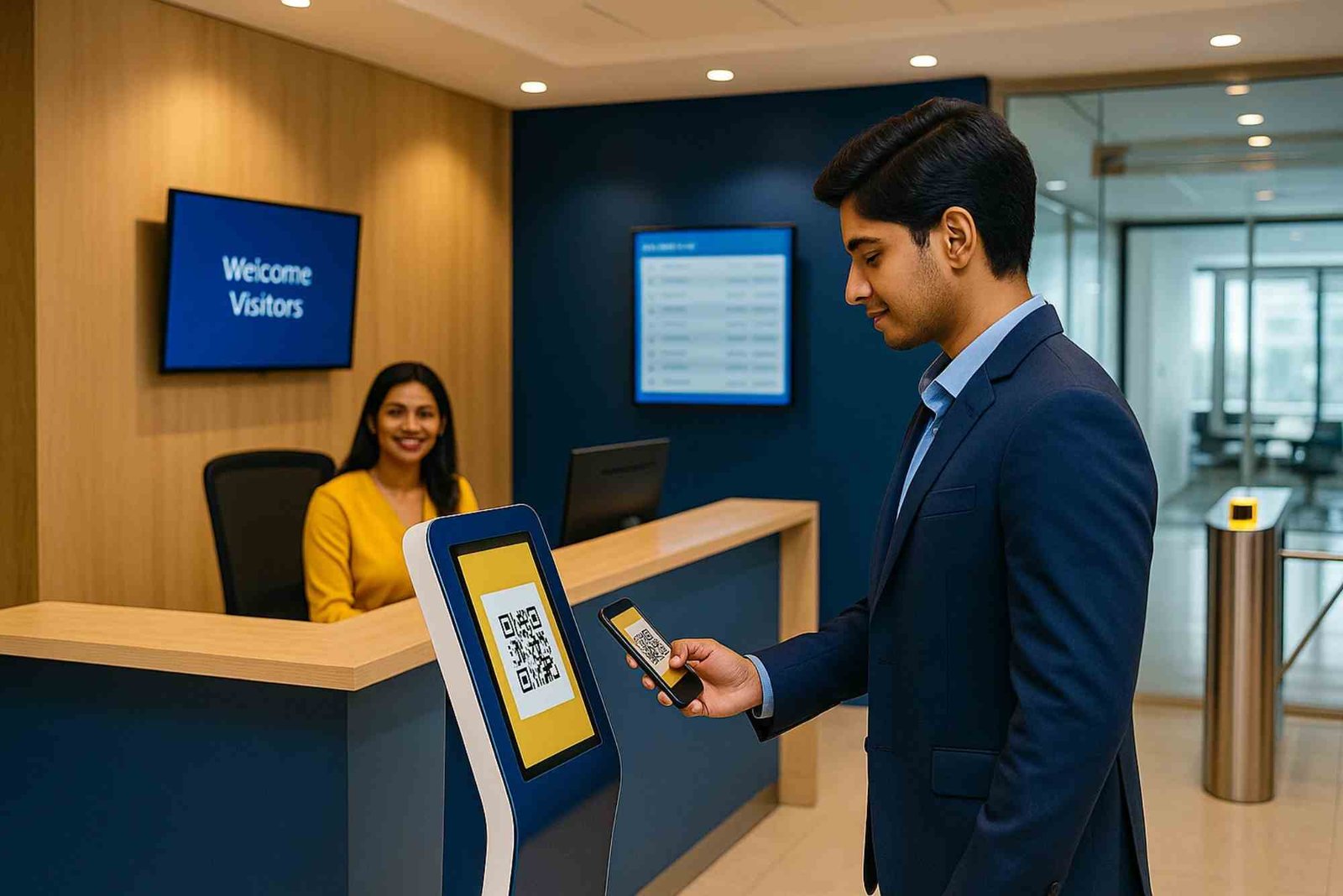
QR codes lead visitors to maps, schedules, or safety instructions. They save time and reduce the need for printed materials.
Digital Displays
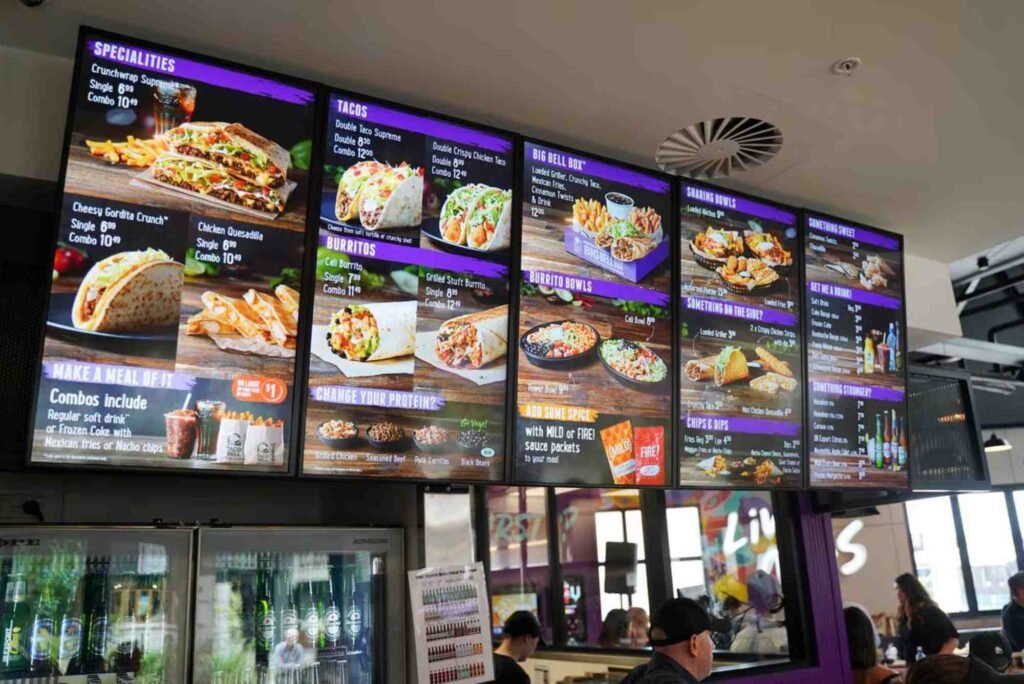
Digital screens show real-time updates. They are helpful for announcing schedule changes, waiting times, or safety alerts.
Visitor Management Systems
These systems track entries, generate passes, and support faster check-ins. They also help monitor capacity levels.
Examples of Visitor Information Systems That Work
Real-world examples show how good planning leads to smoother visits.
Museums
Museums often provide pre-visit checklists. They also share interactive maps that show exhibit locations. This helps visitors plan their route.
Hospitals
Hospitals use colored line paths on floors to guide patients. This lowers stress and prevents people from getting lost.
Parks and Tourist Sites
Outdoor sites use visual markers to guide visitors. Large boards show walking routes, safety warnings, and emergency contacts.
Best Practices for Smooth And Safe Visitor Experiences
Applying best practices ensures consistency. It also helps visitors feel confident.
Keep Information Updated
Review your visitor information regularly. Remove outdated instructions. Update your maps and guidelines when layouts change.
Use Simple Language
Avoid complex phrasing. Use short sentences and clear verbs. This helps all visitors, including those with limited English proficiency.
Provide Multiple Contact Options
Offer a phone number, email, or chat option. Visitors feel more secure when they can contact your team easily.
Include Visual Aids
Images, icons, and diagrams help visitors follow instructions more accurately. They reduce misunderstandings and save time.
Advanced Strategies for Improving Visitor Information
If you want a more structured visitor experience, consider these strategies.
Conduct Visitor Surveys
Ask visitors about their challenges. Visitor Information Smooth And Safe Visits Use the responses to improve your guide.
Test Your Instructions
Walk through the visitor journey yourself. Identify confusing points and simplify them.
Train Staff to Communicate Clearly
Staff should speak calmly, use simple instructions, and stay aware of visitors who need extra help.
Offer Multilingual Support
If you receive international guests, provide translations. Multilingual signs and online guides reduce errors and stress.
Common Visitor Problems and How to Fix Them
Smooth and safe visits require anticipating issues before they happen.
Long Check-In Lines
Offer online pre-registration. Use digital passes to reduce waiting time.
Confusing Routes
Place signs at every decision point. Use arrows and color coding.
Safety Misunderstandings
Highlight rules using simple visuals. Share reminders at entry points.
FAQs
How do you ensure a smooth and safe visit for guests?
Provide clear instructions before arrival, use visible on-site signs, and offer safety guidelines early. Trained staff also improves the experience.
What information should be given to a visitor?
Share entry rules, parking directions, timings, safety instructions, and contact details. Keep everything short and clear.
How do you welcome visitors properly?
Greet them respectfully, offer simple instructions, and guide them to the correct area. Clear signage supports a good welcome.
Why is visitor management important?
It organizes visitor flow, improves safety, and ensures compliance with rules. It also helps maintain a positive visitor experience.
Visitor information plays a major role in creating smooth and safe visits. When details are accurate, simple, and easy to access, visitors feel confident. They move through your space with less stress and greater safety. By applying the tips, examples, and best practices above, you can build a visitor system that works for everyone.
For extended reading, explore our complete visitor information smooth and safe visits guide and browse related latest resources to stay updated on new trends. You can also visit our editorial partner for more professional insights.