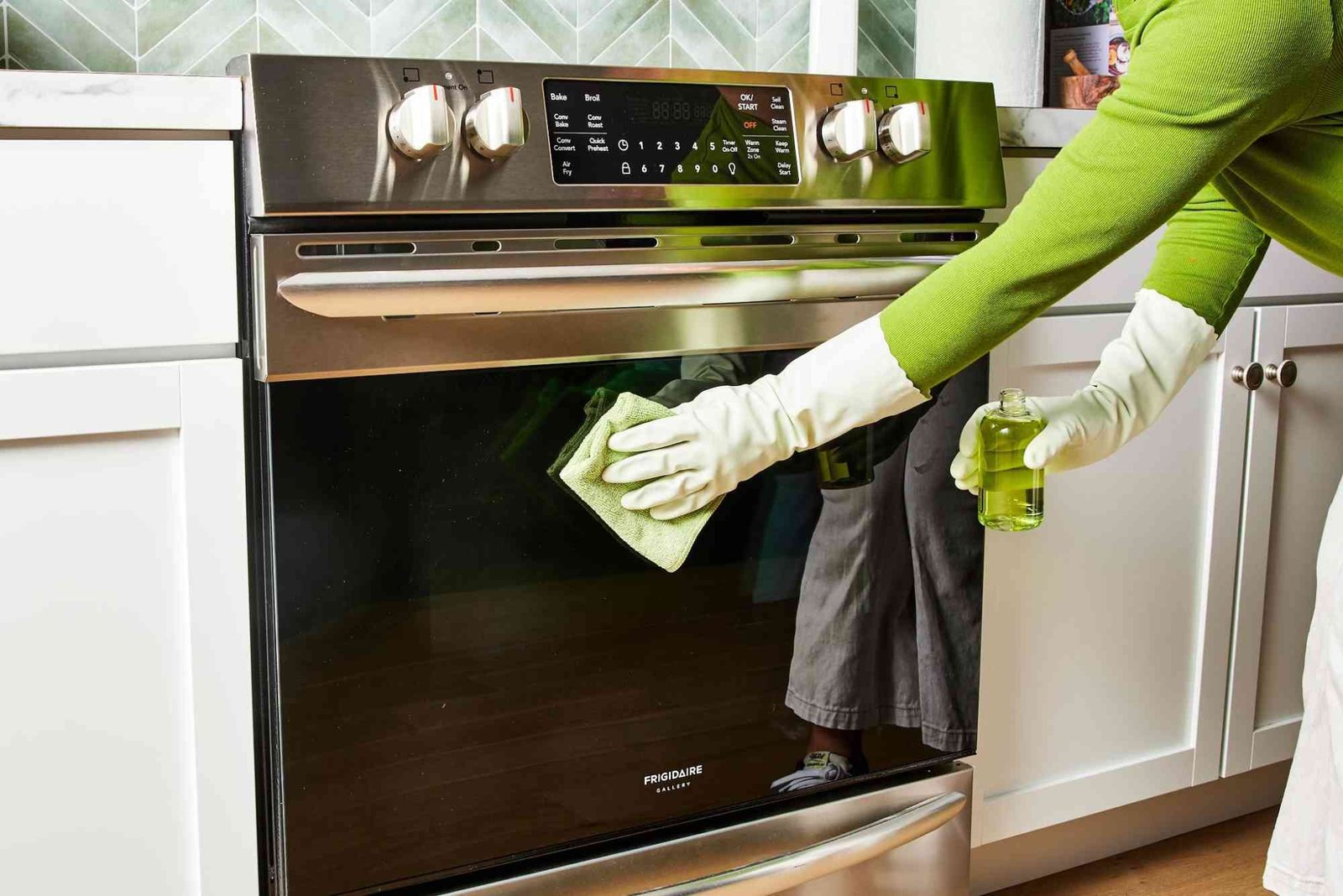
Oven Door Stuck After Cleaning Cycle — Full 2025 Guide
Modern ovens make home cooking easier, but they can present frustrating problems, especially after a self-cleaning cycle. One of the most common issues homeowners face is an oven door stuck after cleaning cycle. This problem can prevent you from accessing your oven, disrupt your cooking routine, and sometimes even damage the appliance if handled incorrectly. In this comprehensive 2025 guide, we’ll explore why this happens, the steps to safely fix it, and tips to prevent it in the future.
Why Oven Doors Get Stuck After Cleaning
Self-cleaning ovens use extreme heat to burn off grease and residue, sometimes reaching temperatures over 900°F. While effective, this intense heat can cause the oven door to lock as a safety measure. Most modern ovens include an automatic locking system during and after the cleaning cycle. Understanding why your door is stuck helps you avoid damage and unnecessary stress.
Heat Lock Mechanism
When the oven enters a cleaning cycle, it triggers a safety mechanism that locks the door. This ensures no one opens the oven during the extremely hot process, which could cause burns. After the cycle, the door usually remains locked until the oven has cooled to a safe temperature.
Mechanical or Electrical Malfunctions
Occasionally, the door may stay locked even after the oven cools. This is often due to a mechanical or electrical fault. Components such as the latch, thermostat, or door lock assembly can wear out or malfunction, preventing the door from opening.
Residue Build-Up
Burnt food residue can also play a role. During the cleaning cycle, high heat may harden grease and debris near the door latch. If this residue accumulates, it can physically block the door from releasing.
How to Safely Unlock an Oven Door
Before attempting any repair, safety is paramount. Avoid using excessive force, which could damage the door or cause injury. Here’s a step-by-step approach:

Allow Cooling Time
Even if the cycle has finished, the oven might still be hot. Wait at least 2–4 hours after the cleaning cycle ends to ensure the internal temperature drops to a safe level.
Disconnect Power
Unplug the oven or switch off the circuit breaker. This prevents accidental electric shock or further damage to electrical components while you inspect the door mechanism.
Check the Lock Mechanism
Most self-cleaning ovens have a visible or accessible door lock. Look for signs of wear, melted plastic, or debris. Sometimes gently tapping around the latch area can free a stuck mechanism.
Manual Release
Some ovens include a manual release for emergencies. Refer to your oven’s user manual or check for a small slot near the door latch. Carefully insert a flat tool to release the latch. Avoid excessive force to prevent damage.
Seek Professional Help
If the door still won’t open, it’s safer to contact a certified technician. Attempting aggressive force can warp the door or break the glass, leading to costly repairs.
Preventing Oven Door Lock Issues in the Future
Once your oven is operational again, consider these tips to avoid future problems:
Use Cleaning Cycles Sparingly
While convenient, frequent self-cleaning can strain the locking mechanism and heating elements. Limit deep cleaning cycles to once every few months.
Remove Large Food Debris
Before initiating a cleaning cycle, remove large spills or debris manually. This reduces residue build-up and minimizes the risk of stuck doors.
Regular Maintenance
Inspect your oven door and latch regularly. Clean accessible parts, lubricate moving components if recommended by the manufacturer, and replace worn parts promptly.
Monitor Temperature and Settings
Ensure you use the correct settings for your oven model. Excessively long cleaning cycles or high temperatures can sometimes trigger malfunctions.
Common Oven Door Problems After Cleaning Cycles
Understanding related issues can help you diagnose problems faster:
Door Won’t Lock
If your oven door fails to lock at the start of a cleaning cycle, the issue may involve the latch mechanism or control board.
Door Opens Mid-Cycle
A door that opens during cleaning is dangerous and requires immediate attention. Avoid using the self-clean function until repaired.
Strange Noises
Clicking or grinding sounds often indicate a misaligned latch or worn motor in the door locking assembly.
Inconsistent Locking
If the door locks sometimes but not consistently, electrical components or the thermostat might be failing.
For further insights on why your oven door won’t open after cleaning cycle, read our why your oven door wont open after cleaning cycle overview.
Tools and Safety Tips for DIY Inspection
If you plan to inspect the oven yourself, use these tools:
-
Insulated gloves to prevent burns
-
Screwdrivers for accessing the latch
-
Flashlight for visibility
-
Flathead tool for manual latch release
Safety tips include never forcing the door, avoiding metal tools near electrical connections, and ensuring the oven is cool and disconnected from power.
DIY solutions are useful for minor issues, but certain situations require professional help:
-
Door remains locked despite cooling and manual release
-
Latch or lock mechanism is visibly damaged
-
Electrical faults appear in the control panel
-
Oven emits smoke or sparks after a cleaning cycle
Certified technicians have the right tools and knowledge to safely resolve these issues. For comprehensive home appliance guidance, check related home & decoration resources.
Advanced Tips for Oven Care
Preventing oven door problems involves more than avoiding stuck doors:
-
Temperature Monitoring: Keep track of internal oven temperatures with an oven thermometer.
-
Periodic Inspections: Check hinges, seals, and glass panels for wear.
-
Professional Servicing: Schedule routine servicing to ensure electronic components and door locks function properly.
Regular maintenance not only extends the oven’s lifespan but also improves cooking efficiency.
A stuck oven door after a cleaning cycle can be frustrating, but understanding the cause and following safe steps can resolve the issue without damage. Always allow cooling time, disconnect power, inspect the latch, and use gentle techniques. If the problem persists, professional assistance is the safest option.
Maintaining your oven and following preventive measures can minimize door-related problems and extend its lifespan. For more expert guidance on home appliances, check ArchDaily and other professional resources.
If you’re struggling with a stuck oven door or want more detailed maintenance tips, don’t wait—act now to ensure your kitchen stays safe and functional.
FAQs
Why is my oven door stuck after the cleaning cycle?
The door is typically locked for safety during and immediately after the self-cleaning cycle. Cooling and mechanical issues can prolong this lock.
Can I force open a stuck oven door?
No. Forcing it can damage the door, glass, or latch mechanism. Follow safe manual release procedures instead.
How long does it take for an oven door to unlock?
Depending on the model and temperature, it may take 2–4 hours to cool and release the lock.
What if my oven door won’t open even after cooling?
Check the latch for debris or wear, and contact a certified technician if the problem persists.
Are self-cleaning cycles harmful to ovens?
Frequent cleaning cycles can strain mechanical and electrical components, so use them sparingly and remove large food debris beforehand.