Introduction
Owning a car comes with responsibilities that go beyond just driving. Whether you have a new vehicle or an older model, maintaining your car properly can save you money, extend its lifespan, and improve your overall driving experience. These practical tips for car owners focus on real-world advice that enhances performance, safety, and value. By adopting simple habits and smart practices, you can enjoy a smoother, safer, and more efficient ride.
Understanding Your Vehicle
Knowing your car is the first step in becoming a responsible owner. Familiarize yourself with the owner’s manual. It contains crucial information about recommended oil types, tire pressure, and maintenance schedules. Regularly checking these details ensures that your vehicle performs optimally and avoids costly repairs. Understanding warning lights on the dashboard also prevents small issues from turning into serious problems.
Know Your Car’s History
If you own a used car, make sure you understand its maintenance history. Keeping track of previous services, accidents, and part replacements helps you make informed decisions about future repairs. A well-documented history can also increase resale value.
Inspect Regularly
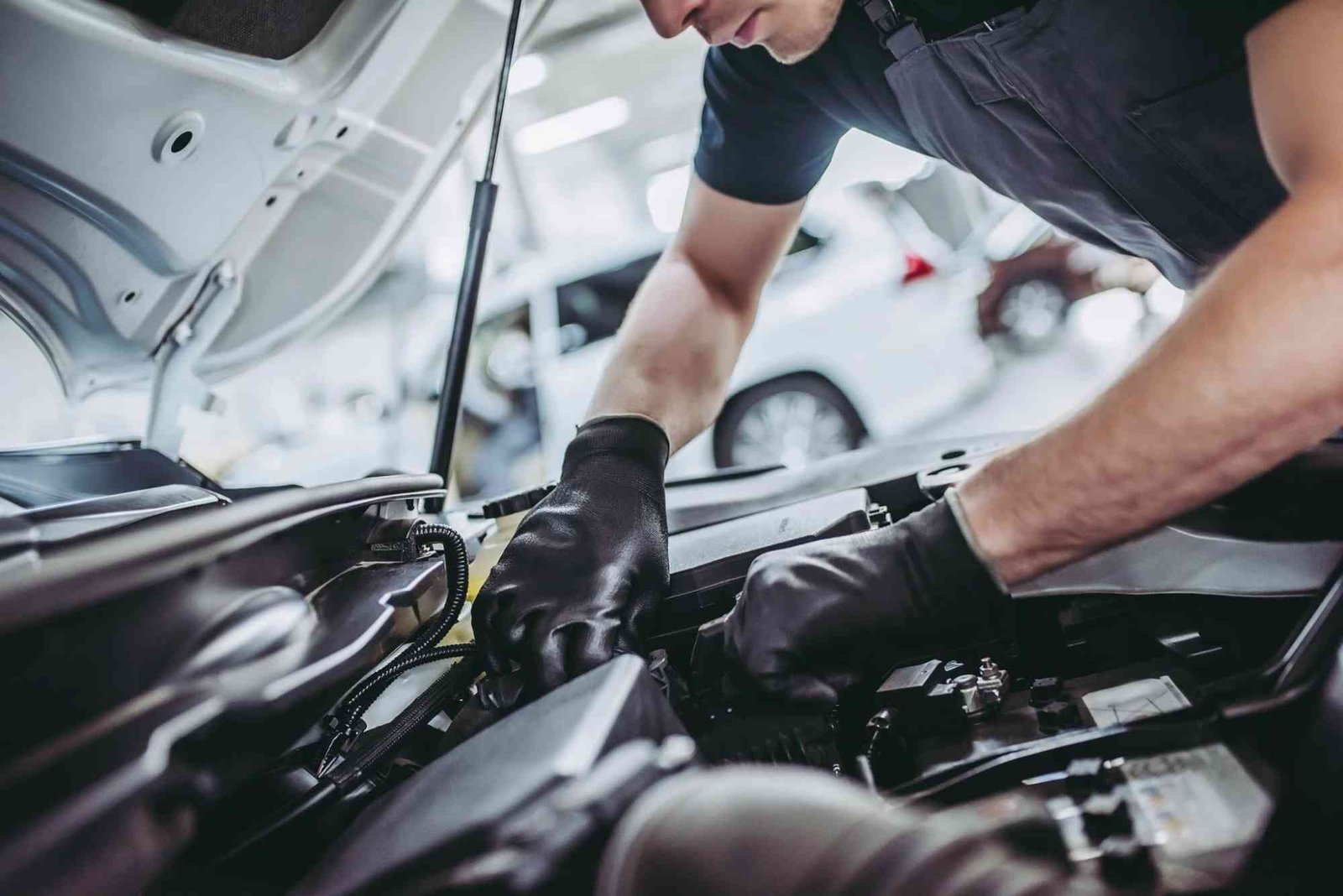
Performing routine inspections, such as checking tire tread, fluid levels, brakes, and lights, can help detect minor issues early. Early detection is often cheaper and less stressful than waiting for a major breakdown. For guidance on regular updates and offers for car owners, you can learn about anc promotions toyota.
Maintenance Practices That Save Money
Routine maintenance is key to avoiding expensive repairs. Oil changes, tire rotations, and air filter replacements are not just recommendations—they are investments in your car’s longevity. Skipping these services may lead to engine damage or reduced efficiency.
Engine Care
Changing your engine oil at recommended intervals keeps your engine running smoothly. Old or dirty oil can lead to overheating and increased wear. Additionally, checking the coolant system ensures your engine does not overheat, especially during hot weather.

Tire Maintenance
Proper tire care affects both safety and fuel efficiency. Maintaining correct tire pressure prevents uneven wear and reduces the risk of blowouts. Rotating tires every few thousand miles ensures even tread wear. Don’t forget to check alignment; misaligned tires can affect handling and tire life.
Brake Health
Brake pads and discs wear over time. Regular inspections prevent accidents and costly replacements. Listen for unusual noises like squealing or grinding, which often indicate worn brakes. Keeping brakes in top condition is essential for safe driving.
Driving Habits That Protect Your Vehicle
How you drive has a direct impact on your car’s health. Smooth acceleration, gentle braking, and moderate speeds reduce wear on the engine, brakes, and suspension. Avoid aggressive driving, which can stress components and increase fuel consumption.
Avoid Short Trips
Frequent short trips prevent the engine from reaching its optimal temperature. This can cause condensation in the engine oil and accelerate wear. Combining errands into longer trips can help maintain engine health.
Park Wisely
Where you park also matters. Avoid parking under trees or in areas with harsh sun exposure for long periods. This protects the paint, interior, and reduces heat-related damage. Using a car cover or shaded parking spots is highly beneficial.
Fuel Efficiency Tips
Keep your car fueled efficiently by using the recommended fuel type. Avoid overloading the vehicle, which strains the engine and reduces mileage. Regular maintenance, like air filter and spark plug replacements, also improves fuel efficiency.
Enhancing Vehicle Safety
Safety should always be a priority. Regularly inspect lights, brakes, tires, and mirrors. Additionally, ensure your windshield wipers and washer fluid are in good condition, especially before rainy seasons.
Emergency Preparedness
Keep an emergency kit in your car that includes a first-aid kit, flashlight, jumper cables, and basic tools. Being prepared not only ensures your safety but can also prevent minor emergencies from turning into major issues.
Technology Use
Modern cars come equipped with safety features like lane assist, collision warning, and adaptive cruise control. Learn how these technologies work and use them effectively to enhance safety while driving. For deeper insights and trends, visit automobile insights.
Protecting Your Car’s Value
Preserving your car’s appearance and function protects its resale value. Regular washing and waxing prevent rust and keep the exterior looking new. Interior maintenance, like cleaning upholstery and dashboards, also contributes to overall value.
Documentation and Records
Keep detailed records of maintenance, repairs, and upgrades. Buyers often pay more for a car with a transparent service history. Organized records demonstrate responsible ownership and build trust.
Insurance Considerations
Review your car insurance policy regularly to ensure adequate coverage. Comprehensive insurance protects against accidents, theft, and natural disasters. Staying updated with your insurance plan can save you stress and money in emergencies.
Car Detailing
Occasional professional detailing enhances both appearance and hygiene. Cleaning undercarriages and engine compartments prevents long-term damage. Detailing not only keeps your car looking new but also improves comfort and longevity.
Eco-Friendly Practices for Car Owners
Being environmentally conscious benefits both your wallet and the planet. Reducing fuel consumption, recycling oil, and using eco-friendly products minimize your environmental footprint. Driving smoothly and reducing idling time also lowers emissions.
Hybrid and Electric Options
Consider switching to hybrid or electric vehicles if feasible. These cars reduce fuel costs, emissions, and often come with incentives. Learning about new car technology can help you make an informed decision when upgrading.
Proper Disposal
Dispose of old tires, batteries, and fluids responsibly. Many service centers offer recycling programs, reducing environmental harm. Adopting green practices shows responsible ownership and helps the community.
Leveraging Technology for Maintenance
Modern technology helps car owners stay proactive. Smartphone apps can remind you of service schedules, monitor fuel efficiency, and even diagnose engine issues. Using these tools improves efficiency and keeps your vehicle in optimal condition.
GPS and Tracking Devices
Installing GPS or tracking devices enhances security. In case of theft or emergencies, these tools provide location data and improve recovery chances. This simple investment increases peace of mind.
Telematics and Analytics
Some advanced vehicles offer telematics data that tracks driving behavior and mechanical health. Monitoring this data helps in early issue detection and enhances overall vehicle management. For expert reviews and road tests, check Car and Driver.
Being a responsible car owner requires attention, routine maintenance, and smart driving habits. By following these practical tips, you can enhance safety, extend your vehicle’s lifespan, and protect its value. Staying proactive, adopting eco-friendly habits, and leveraging technology ensure a smoother driving experience while saving time and money.
Take charge of your vehicle today, start implementing these strategies, and see the difference in performance and durability. Remember, a well-maintained car is not just a vehicle—it’s an investment in safety, comfort, and freedom.
FAQs
How often should I service my car?
Typically, service every 5,000 to 7,500 miles is recommended, depending on your car model and driving habits. Regular inspections prevent major issues.
What is the best way to improve fuel efficiency?
Drive smoothly, maintain tire pressure, avoid unnecessary idling, and follow maintenance schedules to maximize fuel efficiency.
How can I maintain my car’s value?
Keep detailed service records, maintain the exterior and interior, and ensure timely repairs. Proper insurance coverage also protects value.
Is it necessary to use premium fuel?
Use the fuel type recommended in your car’s manual. Premium fuel is usually only required for high-performance engines.
How do I protect my car from harsh weather?
Use shaded parking, car covers, regular washing, and waxing to prevent damage from sun, rain, or snow.