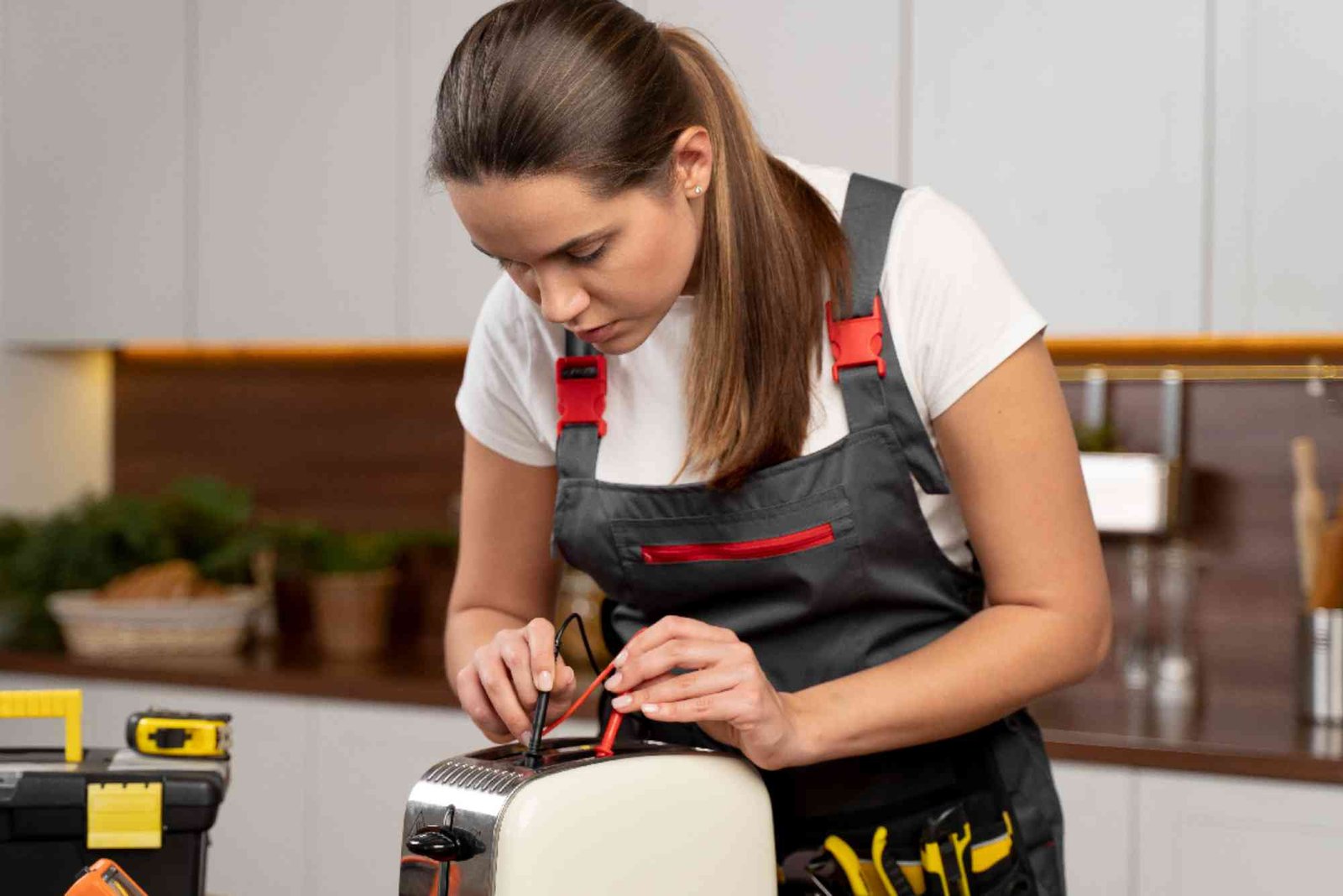
Introduction
Embarking on DIY projects at home can be both exciting and challenging. Whether you are a beginner or an experienced enthusiast, having expert guidance can make a world of difference. From fixing appliances to decorating your space, a well-informed approach ensures success while saving time and money. This guide will provide essential tips and strategies to help you confidently tackle a wide range of DIY tasks while avoiding common pitfalls.
Planning Your DIY Project
Proper planning is the foundation of every successful DIY project. Start by clearly defining your goals. Ask yourself what you want to achieve and the level of complexity involved. Identify the tools and materials required and set a realistic timeline. Breaking down your project into manageable steps prevents overwhelm and helps maintain focus. Moreover, knowing the scope of the work prevents unnecessary mistakes and keeps your budget in check.
Choosing the Right Tools and Materials
Selecting the correct tools and materials is crucial for both safety and efficiency. Using inferior or inappropriate tools can damage your project or even cause injury. Invest in high-quality essentials such as power drills, measuring tools, and safety gear. When selecting materials, consider durability, cost, and compatibility with your project. Always read product specifications and user reviews to make informed choices. Remember, the right tools and materials lay the groundwork for professional-quality results.
Mastering Basic Techniques
Before diving into complex projects, ensure you have a firm grasp of basic DIY techniques. Learning how to measure accurately, cut precisely, and assemble securely forms the backbone of successful projects. Watching tutorial videos, reading instructional guides, or attending workshops can help sharpen these skills. Even small improvements in your technique can lead to cleaner finishes and more durable outcomes. Don’t rush the process; practicing fundamentals builds confidence and reduces mistakes.
Troubleshooting Common Problems
DIY projects often come with unexpected challenges. Anticipating potential problems allows you to respond effectively. For instance, many homeowners encounter uneven cooking in their ovens. Following a complete how to fix an oven not cooking evenly guide can save both time and frustration. Similarly, misaligned furniture, uneven paint, or minor plumbing issues can be corrected if you understand the root cause. Taking a methodical approach to troubleshooting ensures long-term success and prevents costly repairs.
Safety First
Safety should always be your top priority during DIY projects. Wear protective equipment such as gloves, goggles, and masks as needed. Keep your workspace organized to prevent accidents and maintain proper ventilation when using chemicals or paints. Avoid rushing tasks and never attempt repairs or installations beyond your skill level without guidance. Safety measures not only protect you but also ensure that your project proceeds smoothly without setbacks.

Incorporating Creativity and Personal Style
DIY projects are an excellent opportunity to express your creativity. Whether decorating a room, building custom furniture, or creating handmade crafts, adding personal touches makes the result uniquely yours. Experiment with colors, textures, and designs, but maintain functionality and practicality. Creative solutions often enhance the aesthetic appeal of your space while demonstrating your ingenuity. Taking inspiration from resources like This Old House can spark innovative ideas and provide valuable guidance on home improvement techniques.
Time Management and Patience
Many DIY enthusiasts underestimate the time required to complete a project. Efficient time management ensures that tasks are completed without rushing, which improves overall quality. Break your project into stages and allocate sufficient time for each. Patience is key, as attempting shortcuts often leads to mistakes or subpar results. By pacing yourself and planning realistic schedules, your DIY projects will not only succeed but also become more enjoyable.
Maintaining Tools and Workspace
A clean, well-organized workspace boosts efficiency and reduces frustration. Store tools properly and perform regular maintenance to extend their lifespan. For power tools, check batteries, cords, and moving parts before use. Keep materials dry and protected, and ensure surfaces are clear before starting any project. A tidy and prepared environment allows you to focus on the task at hand, minimizes errors, and promotes a professional approach to DIY work.
Learning From Mistakes
Mistakes are inevitable in any DIY project, but they also offer valuable learning opportunities. Instead of feeling discouraged, analyze what went wrong and how to prevent it in the future. Adjust your techniques, refine your planning, and incorporate new strategies to continuously improve. Over time, accumulated experience builds expertise, making future projects more efficient, enjoyable, and successful.
Leveraging Online Resources
The internet offers a wealth of DIY knowledge for every skill level. Step-by-step tutorials, instructional videos, and expert blogs provide guidance for even the most challenging tasks. You can browse more home & decoration articles to gain insights into innovative ideas, practical tips, and trending projects. Online forums and communities allow you to ask questions, share experiences, and learn from others who have completed similar projects. These resources enhance your understanding and build confidence in tackling home improvements.
Eco-Friendly DIY Practices
Incorporating sustainability into your DIY projects not only benefits the environment but can also save money. Reuse materials whenever possible, recycle scraps, and choose eco-friendly paints, adhesives, and finishes. Planning projects with minimal waste reduces clutter and promotes responsible craftsmanship. Eco-conscious choices often improve the overall quality of your work and align with modern sustainable living practices.
Budgeting for DIY Projects
Managing your budget effectively is critical to the success of any DIY project. Determine your maximum spending limit before purchasing materials or tools. Prioritize essential items and explore cost-effective alternatives without compromising quality. Keeping track of expenses prevents overspending and helps you make informed decisions throughout the project. A well-planned budget allows you to enjoy the satisfaction of completing a project without financial stress.
Final Touches and Finishing
The finishing touches define the overall look and quality of your DIY work. Take time to sand, polish, or seal surfaces for a clean and professional appearance. Adjust fittings, alignments, and decorative elements to ensure everything functions smoothly. These small details demonstrate attention to quality and significantly enhance the final outcome. A meticulous approach to finishing sets your project apart and reflects your expertise.
Mastering DIY projects requires a balance of planning, skill, creativity, and patience. By following these expert tips, you can tackle tasks confidently, prevent mistakes, and achieve professional results. Remember to prioritize safety, maintain your workspace, and continually improve your techniques. For appliance challenges, consult a complete how to fix an oven not cooking evenly guide. Explore inspiration and ideas by visiting resources like This Old House and browse more home & decoration articles to expand your knowledge. Start your next project today and turn your ideas into reality with confidence and skill.
Looking to streamline your projects efficiently? Discover practical strategies to save time and money doing it right by planning carefully and avoiding common pitfalls. Implementing these tips not only boosts productivity but also ensures cost-effective results. Learn more by checking out this helpful guide here.
FAQs
How can I start DIY projects as a beginner?
Start with small, manageable projects. Learn basic tools, follow tutorials, and gradually increase complexity.
What are the most essential DIY tools for home projects?
A reliable drill, measuring tape, level, screwdriver set, hammer, and safety gear are fundamental for most tasks.
How do I avoid common DIY mistakes?
Plan thoroughly, measure accurately, choose the right materials, and take your time. Mistakes are learning opportunities.
Where can I find reliable DIY guidance online?
Websites like This Old House and specialized blogs provide tutorials, expert tips, and inspiration for projects.
How do I maintain my DIY tools?
Clean tools after use, store them properly, check for wear, and perform regular maintenance to ensure longevity.
What is the best approach for budgeting DIY projects?
Set a clear budget, prioritize essential materials, explore cost-effective alternatives, and track expenses carefully.
How can I troubleshoot common appliance problems?
Identify the root cause, consult expert guides like a complete how to fix an oven not cooking evenly guide, and apply recommended solutions carefully.
Related Reading: Best Lip Care Tips for Soft Lips — full guide
Related Reading: Simples Fixes & Maintenance Guides — full guide