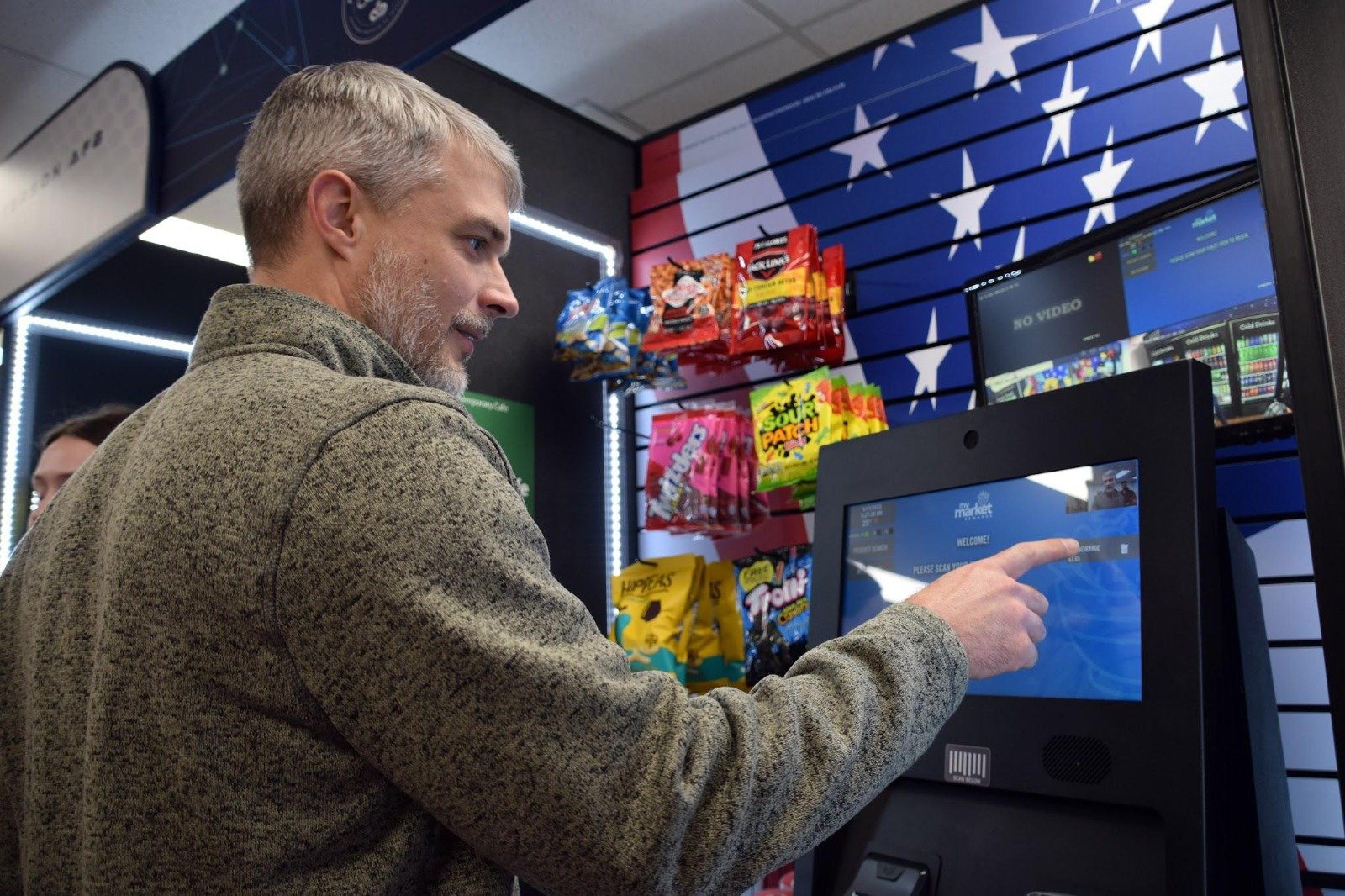
Automated Teller Machines (ATMs) have become an essential part of modern banking and retail operations, providing customers with convenient access to cash and financial services around the clock. However, like any piece of technology, ATMs require regular maintenance and technical support to operate efficiently. Professional ATM machine service helps ensure maximum uptime, improved security, fewer breakdowns, and a better customer experience.
Whether an ATM is installed in a bank, convenience store, shopping center, hotel, or other commercial location, routine servicing plays a critical role in maintaining reliability. A comprehensive ATM machine service program includes preventive maintenance, software updates, hardware inspections, troubleshooting, and emergency repairs. Regular maintenance not only extends the lifespan of ATM equipment but also reduces the risk of costly downtime and service interruptions.
What Is ATM Machine Service?
ATM machine service refers to the ongoing maintenance, inspection, repair, and technical support provided to keep ATM systems operating safely and efficiently.
Typical services include:
- Preventive maintenance
- Software updates
- Hardware diagnostics
- Cash dispenser inspections
- Card reader cleaning
- Receipt printer maintenance
- Security checks
- Emergency repair services
Routine servicing helps identify minor issues before they become major operational problems.
Why Regular ATM Maintenance Matters
Proper ATM maintenance provides numerous operational and financial benefits.

These include:
- Reduced machine downtime
- Improved customer satisfaction
- Better transaction reliability
- Extended equipment lifespan
- Enhanced security
- Lower repair costs
- Improved regulatory compliance
Businesses that follow scheduled maintenance programs typically experience fewer unexpected service disruptions and longer equipment life.
Key Components of ATM Machine Service
A professional ATM machine service program usually includes several important maintenance tasks.
Preventive Maintenance
Routine inspections help detect worn components before they fail.
Preventive maintenance may include:
- Cleaning internal components
- Inspecting cash dispensers
- Checking sensors
- Testing card readers
- Verifying printer operation
Software Updates
Keeping ATM software current helps improve performance while addressing security vulnerabilities.
Hardware Repairs
Technicians repair or replace damaged components such as:
- Card readers
- Cash dispensers
- Receipt printers
- Touchscreens
- Keypads
Remote Monitoring
Many service providers monitor ATM performance remotely to detect faults and respond quickly before customers are affected.
Businesses That Benefit from ATM Machine Service
Professional ATM maintenance is valuable across many industries.
These include:
- Banks
- Credit unions
- Convenience stores
- Retail businesses
- Hotels
- Casinos
- Shopping centers
- Healthcare facilities
Any business operating an ATM benefits from consistent maintenance and technical support.
Choosing the Right Service Provider
Selecting a reliable maintenance partner is an important business decision.
Consider the following factors:
- Industry experience
- Response times
- Technical expertise
- Nationwide service coverage
- Preventive maintenance programs
- Remote monitoring capabilities
- Availability of replacement parts
An experienced ATM service provider can help minimize downtime while ensuring equipment operates efficiently.
Common ATM Problems
Even well-maintained ATMs may occasionally experience technical issues.
Some of the most common include:
- Cash dispenser jams
- Card reader failures
- Receipt printer errors
- Network communication problems
- Software faults
- Touchscreen malfunctions
Routine servicing helps prevent many of these issues while reducing emergency repair costs.
Best Practices for ATM Owners
Businesses can improve ATM performance by following several best practices.
These include:
- Scheduling preventive maintenance twice each year
- Cleaning the ATM regularly
- Monitoring transaction activity
- Keeping software updated
- Replacing worn components promptly
- Responding quickly to reported issues
Consistent maintenance reduces operational risks and improves long-term reliability.
Security Considerations
Security remains one of the most important aspects of ATM operation.
Routine maintenance should include:
- Inspecting for tampering
- Checking anti-skimming devices
- Updating security software
- Testing surveillance systems
- Reviewing physical security measures
Regular inspections help protect both customers and business operators from fraud and unauthorized access.
Conclusion
Investing in professional ATM machine service is essential for maintaining reliable performance, protecting customer transactions, and extending the lifespan of ATM equipment. Regular inspections, preventive maintenance, timely repairs, and software updates help minimize downtime while improving operational efficiency. Whether managing a single ATM or an entire network, businesses benefit from partnering with experienced maintenance professionals. Organizations evaluating an ATM machine for sale should also consider long-term service and maintenance support to maximize the value and reliability of their investment. As financial institutions and retail businesses continue modernizing their ATM networks, proactive maintenance will become even more important for ensuring secure and reliable operation.
Related Reading: How Technology Is Revolutionizing Education
Related Reading: Best Practices for Secure Online Communication
Related Reading: High-Performance Athletics & Modern Sports Science Breakthroughs