Introduction
Transparency is the rarest commodity in the digital marketing industry today. Every day, business owners invest hard-earned capital into outsourced search engine optimization services. They purchase comprehensive backlink solutions expecting higher rankings, increased referral traffic, and better domain authority. However, many agencies deliver vague spreadsheets or confusing metrics that leave clients scratching their heads.
If you want to retain clients long-term, you must master How to report results from backlink packages. Reporting is not merely an administrative task or a monthly chore. It is your primary vehicle for demonstrating real value, building trust, and justifying continued investment. When you provide clear, actionable insights, you transform a monthly expense into an indispensable growth partnership.
Understanding the True Value of Backlink Packages
Before sharing data with your clients, you must understand what a quality backlink package actually achieves. Many inexperienced marketers obsess over raw volume and vanity numbers. They believe that acquiring hundreds of low-quality links equals guaranteed success. Modern search engine algorithms actively penalize spammy behavior, irrelevant link velocity, and unnatural anchor text ratios.
True value stems from contextual relevance, editorial integrity, and organic traffic potential. When evaluating guest post campaigns or tier-one placements, look beyond basic domain metrics. Focus on whether the linking domain has real human readership and active engagement. Consider if the referral traffic can convert into actual paying customers for the business. By framing your reporting around quality rather than arbitrary numbers, you educate your clients on what matters most.
Key Metrics to Include in Your Backlink Report
A successful backlink report strikes a careful balance between quantitative metrics and qualitative impact. Overwhelming your client with raw data leads to confusion, while giving them too little information breeds suspicion. Start with a clear executive summary that highlights the total links built during the billing cycle. Include the publishing dates, target URLs, and assigned anchor texts for complete transparency.
Next, showcase the authority metrics of the linking domains, such as Domain Rating or Domain Authority. However, never rely on third-party metrics alone to prove success. Highlight organic traffic estimates for each linking page using trusted industry tools. Finally, document the indexing status of every single link in the campaign. A backlink that never gets indexed by search engine crawlers provides zero SEO value to the client.

How to Structure Your Backlink Campaign Report
Structure dictates readability and determines whether your client actually understands the report. If your report resembles a chaotic data dump, clients will abandon it before finding the insights. Divide your report into logical sections that tell a compelling narrative of progress. Begin with a high-level overview of campaign goals versus actual achievements attained during the month.
Follow this with a detailed inventory table containing the placements, anchor text distribution, and destination URLs. Integrate your guest post campaigns performance clearly within this section, highlighting the specific editorial placements secured on relevant blogs. Use visual charts to illustrate growth trends in authority and referring domains over time. Conclude the document with strategic recommendations for the upcoming month to keep momentum going.
Integrating Internal Links and Anchor Text Strategy
Anchor text distribution and internal linking strategies require careful documentation and precise reporting. Search engines analyze anchor text variations to understand the topical context of your target pages. Over-optimizing exact-match anchors can trigger algorithmic penalties that harm rankings. Your report should clearly display the ratio of branded, exact-match, and partial-match anchors used across the campaign.
Furthermore, explain how these external gains complement your broader backlink solutions strategy to improve site-wide equity. Mention how link juice flows naturally through your internal architecture once high-authority backlinks hit your landing pages. Transparency regarding anchor text safeguards your clients against algorithmic volatility. It demonstrates that your agency employs safe, sustainable white-hat optimization techniques that protect the domain long-term.
Analyzing Organic Traffic and Ranking Movements
Backlinks are a means to an end, not the final destination of SEO. The ultimate goal of any link-building campaign is to improve organic visibility and drive revenue. Therefore, your report must connect backlink acquisition directly to ranking improvements and traffic growth. Pull data from analytics platforms to show how target keywords moved during the reporting period.
Highlight any featured snippets captured or significant jumps in the top ten search engine results pages. Correlate traffic spikes with the exact dates your top guest posts went live on target sites. This cause-and-effect correlation proves to your client that your efforts directly influence their bottom line. When clients see a direct line from your backlinks to their traffic growth, contract renewals happen automatically.
Addressing Common Client Concerns and Misconceptions
Clients often harbor misconceptions about how search engine algorithms process backlinks and authority. Many expect overnight ranking jumps and become anxious when results take time to materialize. Your monthly report serves as an educational touchpoint to manage these expectations gracefully. Explain the concept of the indexing delay and sandbox periods to ease their worries.
Clarify why links from relevant, niche-specific blogs outperform massive directories every single time. Address fluctuations in domain metrics calmly and professionally without sounding defensive. By proactively answering these unspoken questions, you position yourself as a trusted advisor rather than a distant vendor. Education builds long-term client retention and fosters a collaborative working environment built on mutual respect.
Tools and Software for Streamlining Backlink Reports
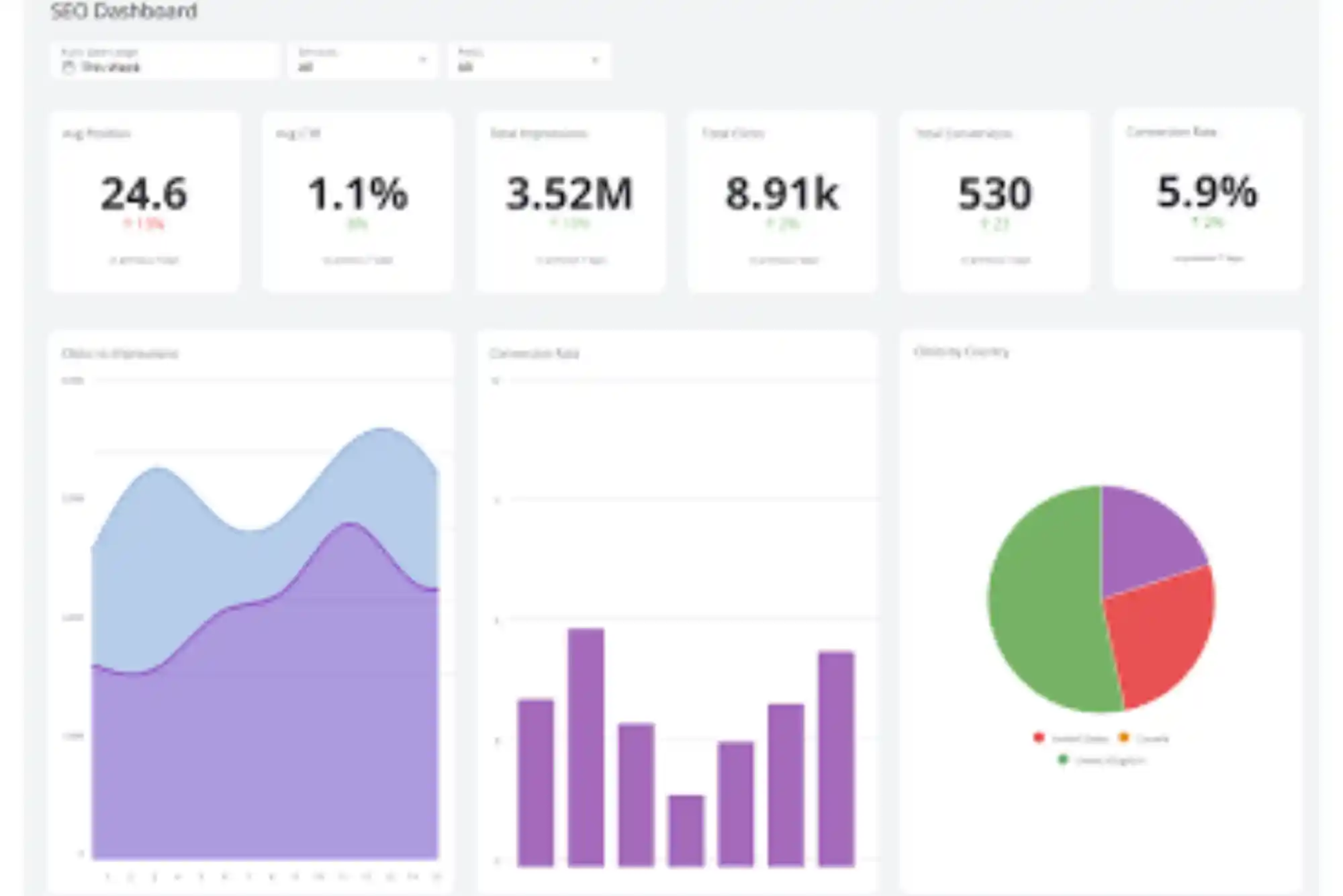
Manual reporting eats up valuable hours that could be spent on high-level SEO strategy and outreach. Leveraging the right software tools streamlines the entire data collection and presentation process. Utilize SEO platforms to track backlink profiles, monitor lost links, and audit anchor text profiles. Combine this data with automated dashboard software to create visually appealing, real-time client portals.
Many agencies use spreadsheet templates combined with visualization tools to maintain a personalized touch. Ensure that whichever tool you choose allows for custom branding with your agency identity. Delivering reports featuring your agency logo reinforces professionalism and attention to detail. Efficient workflows allow you to scale your agency without sacrificing report quality or client communication.
Conclusion
Mastering How to report results from backlink packages separates elite SEO professionals from amateur link builders. By prioritizing transparency, contextual metrics, and clear data visualization, you build unbreakable trust with your clients. Remember that reporting is your ultimate sales tool for client retention and case study creation. Take a critical look at your current reporting template today and upgrade it using the strategies outlined here.
Stay updated with the latest trends, popular topics, and useful information with All Top Trend. Whether you are interested in lifestyle, technology, entertainment, or trending news, discovering fresh and engaging content helps you stay informed. Explore for interesting insights, trending updates, and valuable information.
Frequently Asked Questions
What is the best format for delivering a backlink report to a client?
The best format combines a PDF summary deck for executive review with an interactive spreadsheet for deep data access. This dual approach caters to both high-level stakeholders and hands-on marketing managers who need granular details.
How often should I send backlink performance reports?
Monthly reporting is the established industry standard for search engine optimization campaigns. It provides enough time for search engines to index new links and register meaningful ranking movements without leaving the client in the dark.
Why are some of my newly built backlinks not showing up in tools?
Search engine crawlers take time to discover, crawl, and index newly published web pages. It can sometimes take anywhere from a few weeks to a couple of months for third-party tools to reflect newly active links.
Should I report lost backlinks as well as new ones?
Always include a dedicated section for lost or broken backlinks in your reports. Transparency builds immense trust, and it allows your team to reach out to webmasters quickly to reclaim valuable lost equity.
How do I explain domain authority fluctuations to my clients?
Explain that third-party metrics like Domain Rating are calculated algorithms that update independently of search engines. Remind them that search engines do not use these proprietary metrics to rank websites, focusing instead on user experience and relevance.


