

Introduction
Car breakdowns are unpredictable and often stressful. When your vehicle refuses to start or suffers a sudden accident, calling a recovery service becomes a necessity. But many vehicle owners wonder, can a recovery service tow my car to any location? Understanding the rules, limitations, and options for towing can save you time, money, and frustration. This beginner’s guide will explain everything you need to know, from towing policies to practical tips for choosing the right service. By the end, you’ll know exactly how to handle a towing situation safely and efficiently.
How Vehicle Recovery Services Work
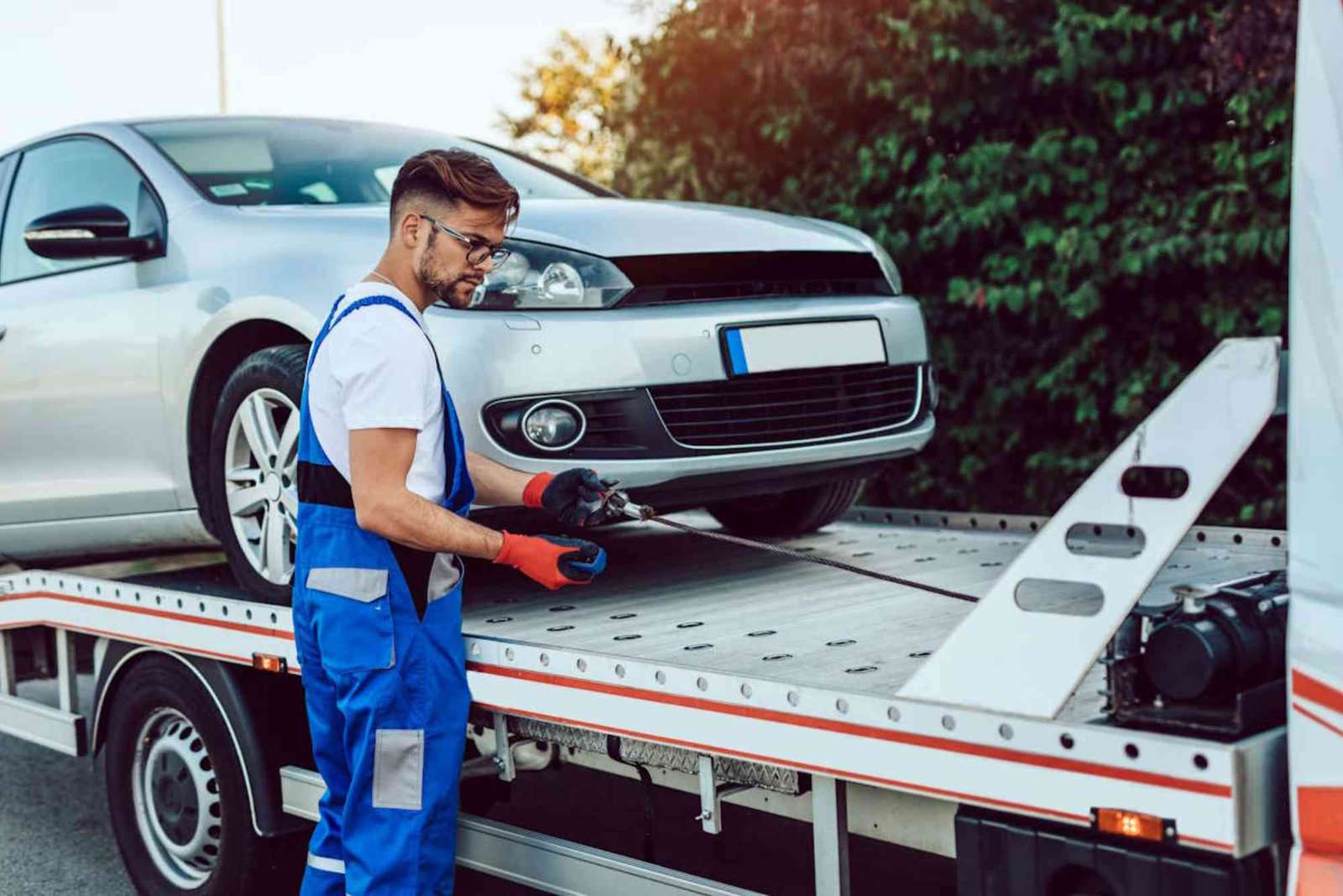
Vehicle recovery services exist to help drivers in emergency situations, offering transport for vehicles that cannot move on their own. These services are equipped with specialized tow trucks, including flatbeds, wheel-lift trucks, and integrated systems. The type of tow used depends on your car’s condition, weight, and the terrain. For instance, modern luxury vehicles or electric cars often require flatbed towing to prevent damage to the drivetrain.
Recovery services operate under specific regulations, including local and state transport laws. They are generally licensed and insured to ensure safe handling of vehicles. When you request a tow, the dispatcher assesses the situation, determines the appropriate equipment, and confirms the pickup and destination.
Factors Affecting Where a Car Can Be Towed
While it might seem straightforward to move a car anywhere, certain factors can influence the towing service’s options.
Distance and Location Restrictions
Most recovery services set limits on how far they can tow a vehicle within their standard rates. Long-distance towing is often possible but may incur higher fees or require advance notice. Additionally, some tow operators may refuse destinations that are too remote, difficult to access, or require special permits. Understanding these distance guidelines before requesting a tow ensures you avoid unexpected costs.
Vehicle Condition and Safety Concerns
If a vehicle has significant mechanical damage or is unsafe to tow, the service may restrict transport to a nearby repair shop rather than any chosen location. Towing a severely damaged car to a distant location could risk further harm, both to the vehicle and surrounding traffic. A professional recovery service prioritizes safety over convenience.
Legal and Insurance Limitations
Insurance policies sometimes dictate where a vehicle can be towed. Certain plans cover only nearby repair facilities or approved service centers. Additionally, local laws may limit towing onto highways, across state lines, or into restricted areas. Checking your insurance and understanding local regulations ensures compliance and smooth transport.
Common Misconceptions About Towing Flexibility
Many drivers assume a recovery service can tow a car anywhere for a fixed fee. This is only partially true. While most services can accommodate a wide range of locations, there are practical and legal limits.
Some people believe they can have their car towed across state lines as easily as within a city. In reality, long-distance towing may require additional permits, extra fees, and sometimes multiple service providers. Another misconception is that any towing truck can handle all vehicles. Certain cars, like high-performance sports cars, hybrids, or electric models, need specialized equipment for safe transport.
Understanding these boundaries helps drivers set realistic expectations and reduces stress during emergencies.
How to Ensure Your Vehicle Can Be Towed Where You Want
Planning ahead can make towing less complicated. First, always communicate clearly with the recovery service about your desired destination. Ask about distance limitations, equipment requirements, and additional charges for special requests.
Second, confirm the type of tow truck required. If your car has all-wheel drive, low clearance, or special modifications, a flatbed tow might be the safest option. Third, check your insurance coverage to see whether your policy restricts towing to certain locations or approved repair shops. Combining these steps ensures a smoother and safer towing process, giving you peace of mind during a stressful situation.
For more insights into vehicle towing and transport options, you can also read our can a recovery service tow my car to any location overview.
Choosing the Right Recovery Service
Selecting a reliable recovery service can make all the difference. Look for licensed providers with clear pricing and insurance coverage. Reading reviews or seeking recommendations helps identify trustworthy companies.
In addition, consider whether the service offers additional benefits, such as roadside assistance, battery jump-starts, or emergency lockout services. Having a company that provides multiple forms of support saves time and reduces the stress of a breakdown. Finally, ensure the provider understands your vehicle type and specific towing requirements. A service experienced with your car model will minimize the risk of damage.
Costs Involved in Towing to Any Location
Towing fees vary depending on distance, vehicle type, and service complexity. Standard local towing is often included in insurance coverage, but long-distance transport or specialty vehicles can significantly increase costs. Flatbed towing and emergency roadside services typically cost more than basic wheel-lift towing.
Understanding the cost structure upfront is essential. Ask for a detailed quote before agreeing to service. Comparing multiple providers and checking reviews can also help avoid overcharging. This ensures you get fair pricing without compromising vehicle safety.
Long-Distance Towing: What You Should Know
Long-distance towing comes with unique considerations. Some recovery services specialize in transporting vehicles across state lines, while others focus only on local areas. Special permits may be required for certain regions, particularly when crossing city or state boundaries.
Additionally, longer transport times can expose vehicles to environmental risks such as extreme weather or road debris. Professional towing companies mitigate these risks using secure flatbeds and proper loading techniques. Planning in advance and confirming the company’s capabilities ensures your vehicle reaches its destination safely.
Towing Special Vehicles
Not all vehicles are created equal, and towing requirements differ depending on the car. Electric vehicles, hybrids, low-clearance sports cars, and vehicles with aftermarket modifications need specialized equipment. Improper towing can result in costly damage to the battery, suspension, or drivetrain.
Experienced recovery services will assess the car before transport, selecting the proper truck and securing the vehicle correctly. If you own a high-value or rare vehicle, discussing these requirements in advance ensures smooth handling and reduces risk.
For broader vehicle maintenance advice, you can also check resources like NHTSA – Vehicle Maintenance.
While a recovery service can often tow your car to many destinations, there are practical, legal, and safety considerations. Distance limits, vehicle condition, local laws, and insurance coverage all influence the process. Communicating clearly with your recovery provider, understanding towing methods, and planning ahead ensures a smooth and stress-free experience.
If you want to learn more about towing and car recovery, explore our automobile insights section for expert guidance. Don’t wait until an emergency occurs — knowing your options beforehand can save time, money, and stress.
FAQ
Can a recovery service tow my car across state lines?
Yes, but long-distance towing may require special permits, additional fees, and experienced providers to ensure safe transport.
Will insurance cover towing to any location?
Insurance typically covers towing to approved repair shops. Always check your policy for specific distance and location restrictions.
What types of tow trucks are available?
Recovery services use flatbeds, wheel-lifts, and integrated trucks. Your vehicle type and condition determine the safest method.
Can my car be damaged during towing?
Improper towing can damage the drivetrain, suspension, or electronics. Using an experienced service and correct equipment minimizes risks.
How much does long-distance towing cost?
Costs depend on distance, vehicle type, and service complexity. Always request a detailed quote in advance to avoid surprises.