
Introduction
Owning a vehicle comes with freedom, convenience, and responsibility. Every car owner wants their vehicle to perform reliably, stay safe, and retain value over time. This comprehensive guide for vehicle owners will cover essential aspects, from maintenance and safety tips to efficient driving habits, ensuring you get the most from your investment. Whether you are a new driver or a seasoned owner, understanding your vehicle’s needs can save money, prevent accidents, and enhance your driving experience.
Understanding Your Vehicle’s Basics
To be a responsible vehicle owner, it’s important to understand your car’s basic components and functions. Knowing how your engine, transmission, brakes, and electrical systems work can help you spot problems early. Familiarizing yourself with the owner’s manual provides insights into routine maintenance schedules, tire pressures, fluid levels, and safety features. A well-informed driver not only prolongs the life of the car but also ensures safety on the road.
Regular Maintenance and Its Importance
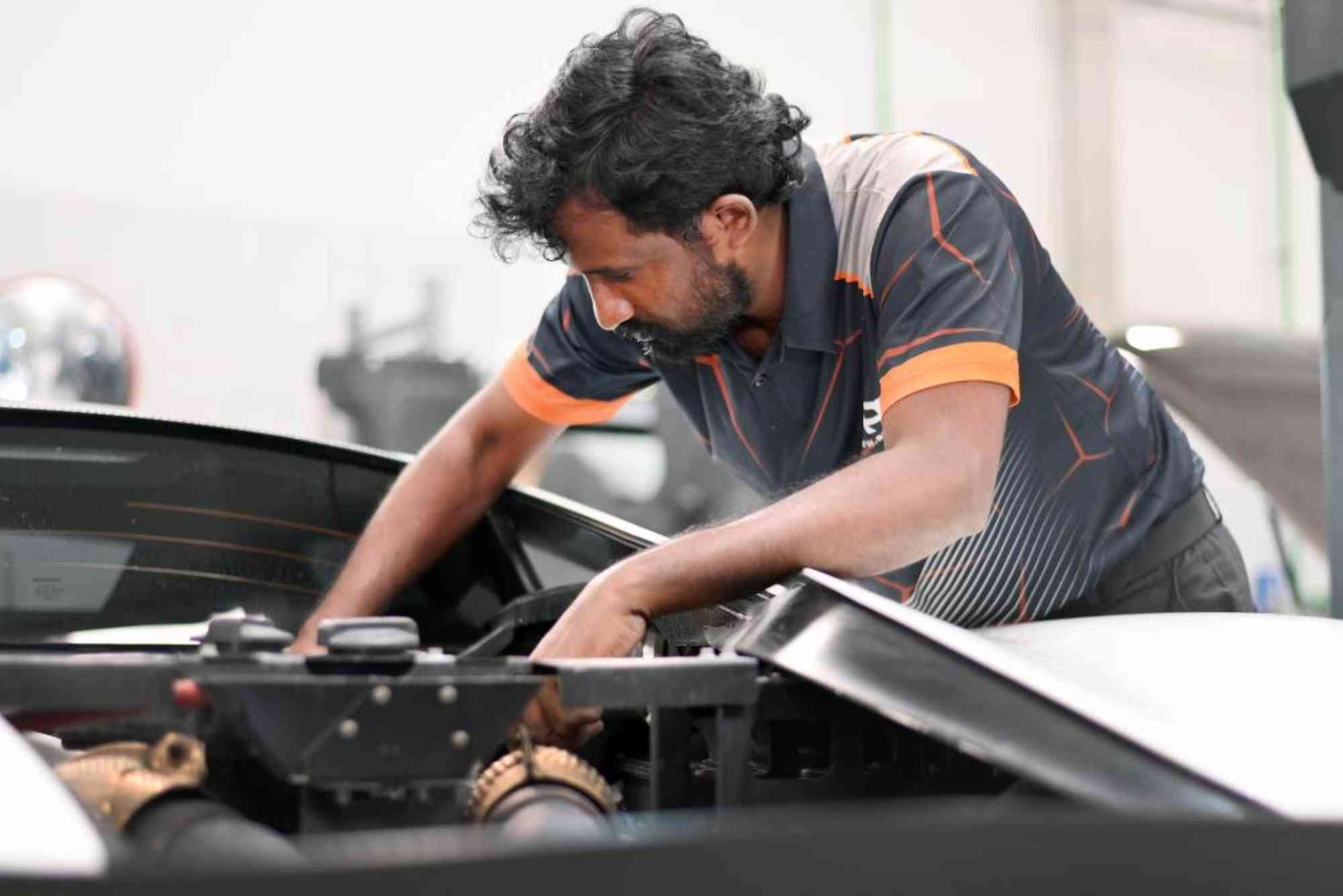
Routine maintenance is the backbone of vehicle longevity. Regular oil changes, brake inspections, tire rotations, and air filter replacements prevent costly repairs. Checking fluid levels, such as coolant, brake fluid, and windshield washer fluid, ensures smooth operation. Ignoring these tasks can lead to engine wear, reduced fuel efficiency, and unexpected breakdowns. Scheduling service appointments with trusted mechanics or dealerships is key to consistent maintenance. Additionally, staying updated on manufacturer recalls is essential to avoid safety hazards.
Efficient Driving Habits
Your driving habits directly affect your car’s performance and fuel efficiency. Smooth acceleration, controlled braking, and maintaining steady speeds reduce engine strain and wear on components. Avoiding harsh cornering, excessive idling, and unnecessary load can further improve fuel economy. Efficient driving not only reduces operational costs but also contributes to environmental sustainability by lowering emissions. Learning and applying defensive driving techniques enhances safety, protecting both the driver and others on the road.
Tire Care and Safety
Tires are the vehicle’s contact point with the road, making their condition critical for safety. Regularly inspect tires for proper inflation, tread depth, and signs of wear or damage. Uneven wear may indicate alignment issues or suspension problems. Rotating tires every 5,000 to 8,000 miles helps maintain even wear and prolongs lifespan. Replacing tires before they become dangerously worn ensures optimal traction, especially during wet or slippery conditions.
Understanding Vehicle Insurance
Having the right vehicle insurance coverage protects you financially in case of accidents, theft, or natural disasters. Comprehensive and third-party liability policies offer different levels of protection. Understanding your insurance policy, coverage limits, and deductibles ensures you make informed decisions when filing claims. Periodically reviewing your policy can also uncover opportunities for cost savings or enhanced coverage. Vehicle owners must balance legal compliance with adequate protection for peace of mind.
Emergency Preparedness and Road Safety
Every vehicle owner should be prepared for emergencies. Keep a well-stocked kit that includes jumper cables, a flashlight, basic tools, a first aid kit, and emergency contact numbers. Familiarize yourself with roadside assistance options provided by your insurance or automobile clubs. Checking the condition of spare tires, jack tools, and tire repair kits ensures you can handle minor breakdowns without panic. Regularly testing lights, signals, and brakes improves road safety for you and others.
Fuel Efficiency and Cost Management
Managing fuel consumption effectively can save significant costs. Driving at moderate speeds, maintaining proper tire pressure, and avoiding unnecessary idling improves fuel efficiency. Planning routes ahead and using cruise control on highways helps conserve fuel. Regular maintenance, such as timely oil changes and clean air filters, ensures the engine runs efficiently. By tracking fuel consumption trends, vehicle owners can identify mechanical issues early and optimize spending.
Car Cleaning and Interior Care
Maintaining both the exterior and interior of your vehicle enhances its value and comfort. Washing the car regularly removes dirt, debris, and corrosive substances that damage the paint. Waxing creates a protective layer against environmental hazards. Cleaning the interior, including carpets, seats, and dashboard, prevents wear and maintains hygiene. Using natural cleaning solutions is effective for both safety and environmental care, and for more tips, explore our complete what are the benefits of natural oral care guide.
Technological Upgrades and Smart Features
Modern vehicles often come equipped with advanced technologies like navigation systems, adaptive cruise control, and parking sensors. Learning to use these features properly enhances convenience and safety. Regular software updates ensure the technology functions correctly and reduces the risk of glitches. Some upgrades, such as tire pressure monitoring systems or dash cameras, offer added protection and can even reduce insurance premiums. Staying informed about technological advancements empowers vehicle owners to make smart decisions.
Sustainable Vehicle Practices
Vehicle owners can adopt sustainable practices to reduce environmental impact. Carpooling, using fuel-efficient routes, and minimizing idling lower emissions. Considering hybrid or electric options for future purchases contributes to cleaner transportation. Recycling automotive parts and responsibly disposing of fluids like oil and coolant protects the environment. By integrating sustainability into everyday driving habits, owners play a role in reducing their carbon footprint while maintaining vehicle efficiency.
Legal Compliance and Documentation
Maintaining proper vehicle documentation is crucial to avoid fines and legal issues. Ensure your registration, insurance, and road tax are current. Carry all essential documents while driving. Understanding local traffic laws and emission regulations helps prevent penalties and ensures road safety. Renewing licenses and permits on time avoids unnecessary disruptions, and compliance demonstrates responsible vehicle ownership.
Finding Reliable Resources and Support
Vehicle owners benefit from trusted information sources. Industry websites, trusted mechanics, and community forums provide valuable insights on maintenance, recalls, and technology updates. Engaging with reliable sources strengthens decision-making and helps avoid misinformation. For more automotive insights, check out related automobile resources. Collaborating with an editorial partner can also provide expert advice for complex vehicle concerns.
Conclusion and Call to Action
Being a responsible vehicle owner requires knowledge, planning, and consistent effort. From regular maintenance and efficient driving to legal compliance and emergency preparedness, every step contributes to safety, cost savings, and longevity. Implementing these strategies ensures a smoother, safer driving experience while protecting your investment. complete what are the benefits of natural oral care guide and related automobile resources, vehicle owner editorial partner Start today by evaluating your vehicle care routine, schedule regular checks, and stay informed through trusted resources. Take control of your vehicle’s future and drive with confidence.
Understanding the causes and costs of property maintenance is essential for every homeowner. From unexpected repairs to routine upkeep, knowing what to expect helps prevent budget surprises and ensures your property retains its value. Learn more about what owners should know by visiting this detailed guide.
FAQs
What is the most important maintenance for my car?
Regular oil changes, brake checks, and tire rotations are critical to prevent major issues.
How often should I check tire pressure?
Check at least once a month and before long trips to maintain safety and efficiency.
Can driving habits affect my car’s longevity?
Yes, smooth acceleration, controlled braking, and avoiding excessive idling improve vehicle life.
Is vehicle insurance mandatory?
Yes, most regions require minimum coverage, but comprehensive plans offer better financial protection.
How can I improve fuel efficiency?
Maintain tire pressure, reduce idling, drive at moderate speeds, and follow routine maintenance schedules.
Where can I find expert automotive advice?
Consult trusted mechanics, reputable websites, related automobile resources, and collaborate with an editorial partner.
How can I keep my car environmentally friendly?
Adopt fuel-efficient habits, consider hybrid or electric options, and recycle automotive parts responsibly.
Are modern car technologies worth investing in?
Yes, features like navigation, parking sensors, and dash cameras enhance safety, convenience, and efficiency.