

Introduction
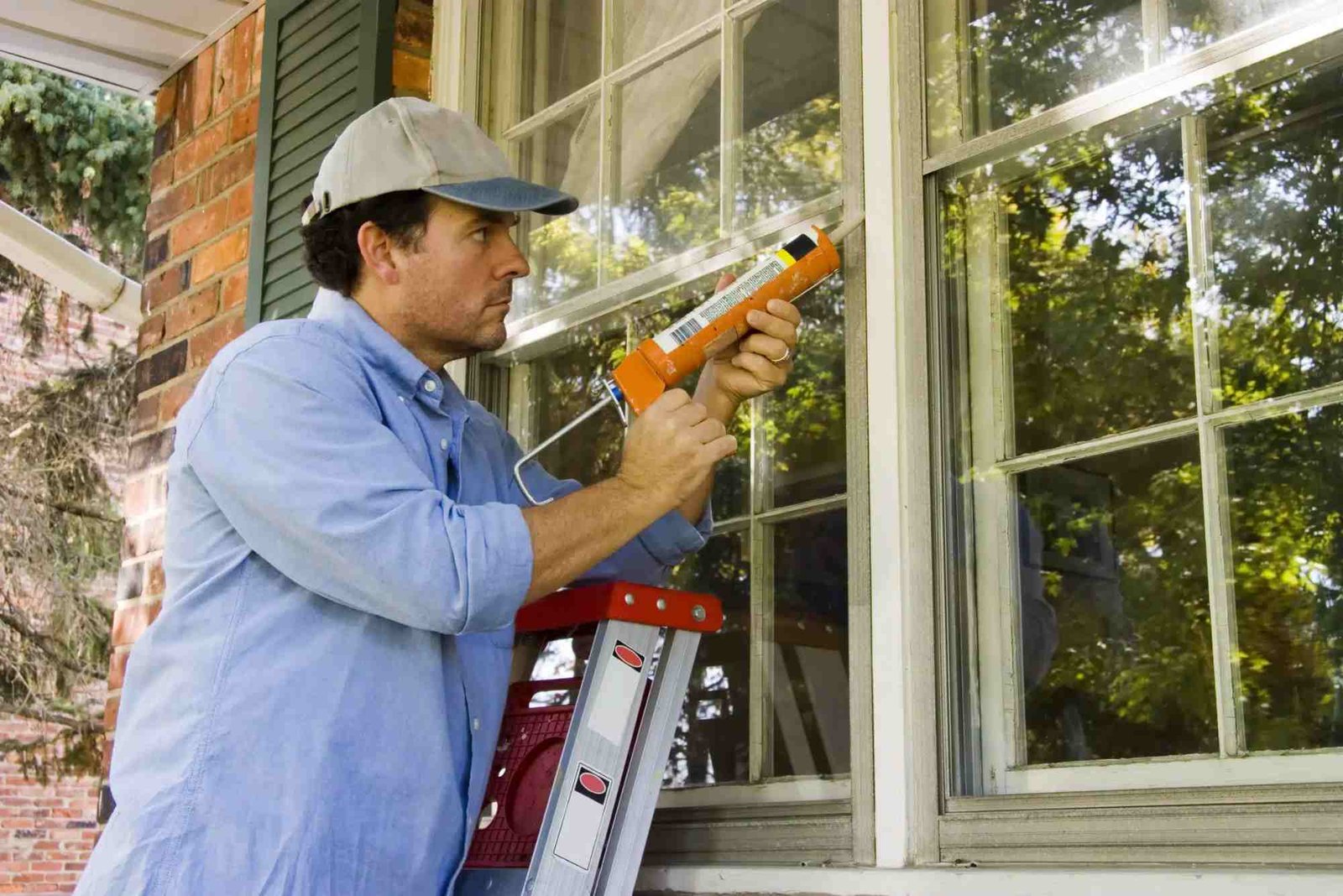
Home improvement, organization, and maintenance can feel overwhelming at times. Whether you’re tackling small repairs, decorating, or looking for efficient ways to enhance your living space, combining DIY strategies with professional advice creates the perfect balance. DIY empowers you to take control and save money, while expert guidance ensures safety, durability, and polished results. This guide will explore practical DIY tips, professional insights, and helpful recommendations to make your home a functional and aesthetically pleasing haven.
Understanding the Value of DIY and Professional Guidance
Engaging in DIY projects is rewarding, but knowing when to seek professional advice is crucial. DIY fosters creativity, builds confidence, and can significantly reduce costs. On the other hand, professionals bring experience, specialized knowledge, and tools that guarantee high-quality outcomes. Combining both approaches helps you save time and avoid costly mistakes.
Professionals often provide insights that are not obvious at first glance. For example, they can advise on proper material selection, safety measures, or compliance with building codes. Meanwhile, DIY allows you to personalize your space in ways a professional might overlook. This balance ensures that your projects are both efficient and visually appealing.
Essential DIY Tips for Every Homeowner
Plan Before You Start
Proper planning is the foundation of any successful DIY project. Before picking up tools or paintbrushes, create a detailed outline of the steps required. Determine the materials, time, and budget needed. Sketching ideas on paper or using design apps like Houzz helps visualize the outcome and reduces surprises during execution. Planning prevents frustration, saves resources, and ensures a smoother workflow.
Focus on Safety First
Safety cannot be overlooked in DIY. Wearing protective gear such as gloves, goggles, and masks is essential, especially when handling chemicals or power tools. Ensure proper ventilation when painting or working with adhesives. Familiarize yourself with the instructions and safety precautions for each tool or product. Professionals stress safety not just for physical protection but also to maintain the integrity of your home’s structure.
Start Small and Build Skills
If you’re new to DIY, start with manageable projects. Simple tasks like painting a room, installing shelves, or organizing cabinets help build confidence and skill. Once you master basic techniques, gradually take on more complex tasks such as flooring, tiling, or minor electrical work. This approach minimizes risk and increases your overall DIY proficiency.
Invest in Quality Tools
Using low-quality tools often results in frustration and subpar outcomes. Investing in reliable equipment ensures better performance, durability, and safety. Even basic tools like screwdrivers, drills, and measuring tapes make a significant difference when performing DIY tasks. Professionals always recommend having the right tool for each job, as it saves time and produces more polished results.
Leverage Online Resources
The internet is a treasure trove of tutorials, videos, and articles. Platforms like Houzz provide design inspiration, step-by-step guides, and professional tips. Online forums allow you to ask questions and learn from others’ experiences. Combining online learning with hands-on practice accelerates skill development and broadens your creative options.
Professional Advice for Long-Lasting Results
Know When to Call Experts
Certain tasks require professional intervention. Plumbing, electrical work, structural modifications, and roof repairs are best handled by licensed professionals. Attempting these projects without expertise can lead to safety hazards, damage, and costly repairs. Professionals not only complete the job efficiently but also ensure it meets safety standards.
Material Selection Matters
Professionals emphasize the importance of choosing the right materials. High-quality paints, flooring, adhesives, and furniture last longer and look better. They also prevent issues like peeling, warping, or premature wear. While DIY projects can focus on aesthetics, professional advice ensures functionality, durability, and long-term satisfaction.
Time Management and Efficiency
Experienced professionals know how to organize tasks for maximum efficiency. They understand which steps to prioritize, how to avoid common mistakes, and how to use specialized tools effectively. Learning these techniques can help DIY enthusiasts manage time better, reduce stress, and complete projects faster.
Regular Maintenance and Upkeep
Professionals often remind homeowners that even well-executed projects need regular maintenance. Routine cleaning, timely repairs, and seasonal checks prolong the life of your improvements. For example, read our what are the benefits of hiring domestic cleaning services in liverpool overview to understand how proper maintenance enhances your home’s hygiene and longevity.
Combining DIY Creativity with Professional Insights
The ideal approach to home improvement merges DIY creativity with professional guidance. While DIY allows you to express individuality and save money, professional advice ensures safety, quality, and compliance with standards. For example, you might choose to install a decorative feature yourself but consult a professional for structural support or electrical integration.
This collaboration also encourages innovation. Professionals may suggest alternative materials, techniques, or designs you hadn’t considered. You gain confidence experimenting with ideas, while the project maintains a level of reliability that DIY alone might not achieve.
Home Decoration and Personalization Tips
Maximize Small Spaces
Small spaces can be transformed with clever DIY strategies. Use vertical storage, multifunctional furniture, and light colors to create the illusion of space. Professionals often recommend combining these ideas with built-in solutions to maintain efficiency and style. For inspiration, browse more home & decoration articles that explore practical and aesthetic solutions for various room sizes.
Embrace Multifunctionality
Modern homes benefit from furniture and decor that serve multiple purposes. A DIY bookshelf can double as a desk, or storage ottomans can act as seating. Professionals can advise on weight limits, durability, and material selection to ensure that multifunctional furniture remains safe and practical.
Lighting Enhancements
Proper lighting transforms a home. DIY options include installing LED strips, pendant lights, or motion-sensor fixtures. Professionals provide insights on placement, brightness levels, and energy efficiency. Combining these approaches ensures a visually appealing and functional environment.
Eco-Friendly Choices
Sustainable practices are increasingly important. DIY projects using recycled or natural materials reduce environmental impact. Professionals can advise on energy-efficient appliances, insulation, and sustainable construction techniques. This combination promotes eco-conscious living without compromising style or comfort.
Simple Fixes & Maintenance Guide Keeping your home and gadgets in top shape doesn’t have to be complicated. With simple fixes and regular maintenance, you can prevent bigger problems, save money, and extend the life of your belongings. From tightening loose screws to cleaning filters, small efforts make a big difference in everyday efficiency and safety.
DIY projects paired with professional advice create a harmonious balance of creativity, efficiency, and safety. By planning carefully, investing in quality tools, and knowing when to call experts, homeowners can achieve outstanding results without unnecessary risk. Combining these strategies enhances the longevity and functionality of every improvement while allowing you to personalize your living space. Whether you’re tackling small decor projects, major renovations, or organizational upgrades, this balanced approach ensures success. Take the first step today and transform your home with confidence.
Start your next home project now! Explore expert tips, DIY techniques, and design inspiration to elevate your space. Visit Houzz for ideas and professional guidance, and let your home reflect your creativity and style.
FAQs
What are some easy DIY projects for beginners?
Start with painting, simple shelving, indoor plant arrangements, or cabinet organization. These projects are safe, cost-effective, and build confidence.
When should I hire a professional instead of doing DIY?
Hire professionals for plumbing, electrical work, roofing, or structural changes. These require specialized knowledge to prevent accidents or damage.
How can I make my DIY projects last longer?
Use high-quality materials, follow safety guidelines, and conduct regular maintenance. Consulting professionals for advice on durability also helps.
What are some eco-friendly DIY tips?
Use recycled or natural materials, energy-efficient lighting, and water-saving appliances. Combine DIY efforts with professional guidance for the best results.
Can I mix DIY decor with professional renovations?
Yes. You can handle aesthetic touches yourself while consulting experts for structural or technical aspects. This ensures safety, style, and longevity.