

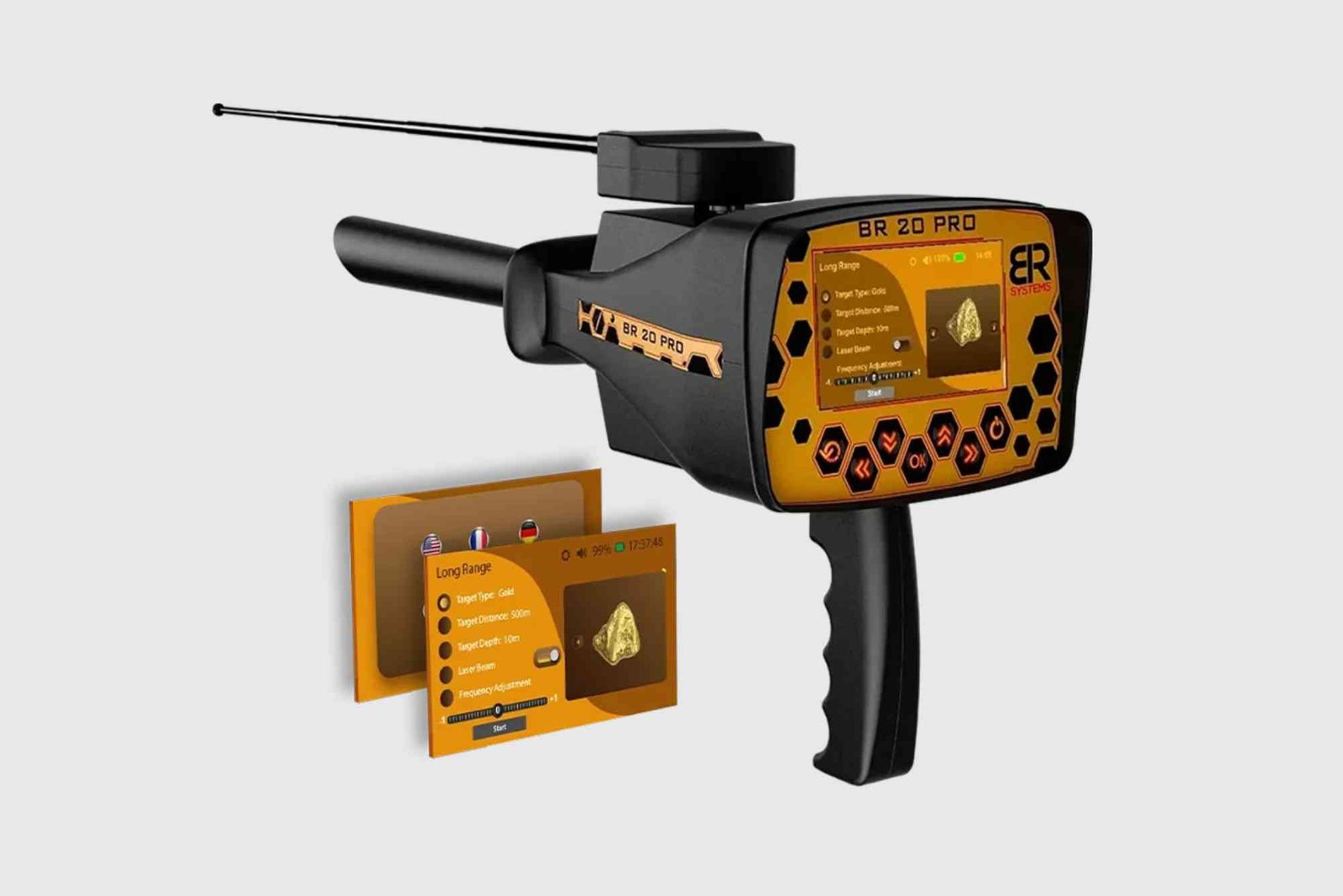
How How Effective Is A Long Range Gold Detector Machine Works
If you have ever wondered about the magic of long range gold detectors, you are not alone. Many treasure hunters, hobbyists, and professional prospectors seek tools that can detect gold from a distance. But how how effective is a long range gold detector machine works — everything you need to know is the ultimate question for anyone interested in investing in this technology. In this guide, we will explore how these machines work, their efficiency, advantages, limitations, and real-world applications.
Understanding Long Range Gold Detectors
Long range gold detectors are not your typical metal detectors. Unlike standard models that scan a small area, these devices claim to detect gold at a significant distance.
How They Work
A long range gold detector uses electromagnetic fields to locate metals underground. The device emits signals that penetrate the soil, rock, or sand. When these signals encounter a metallic object, they bounce back to the detector, alerting the user. Advanced models incorporate digital technology and sensitive antennas for better accuracy.
Types of Long Range Detectors
There are several types of long range gold detectors:
Pulse Induction Detectors
These detect gold by sending quick pulses of current into the ground. They are excellent for mineralized soil and deep targets.
Very Low Frequency (VLF) Detectors
VLF detectors measure changes in magnetic fields caused by metal objects. They are precise but may struggle in highly mineralized areas.
Multi-Frequency Detectors
Combining multiple frequencies, these detectors offer a balance between depth and sensitivity.
How Effective Are Long Range Gold Detector Machines?
The effectiveness of these machines depends on multiple factors.
Detection Depth
Some long range gold detectors can detect objects several meters underground. However, the detection depth varies with soil type, gold size, and detector quality.
Accuracy and Sensitivity
The machine’s sensors and software determine how accurately it differentiates between gold and other metals. Higher-end models are more precise and reduce false signals.
Environmental Factors
Soil mineralization, moisture content, and terrain affect performance. In rocky or wet areas, the signal may weaken.
User Skill
A detector is only as effective as its operator. Experienced users understand the nuances of ground balance, sensitivity settings, and scanning techniques.
By combining the right device with knowledge, you can dramatically improve your chances of locating gold efficiently.
Advantages of Using a Long Range Gold Detector
Investing in a long range gold detector has several benefits:
Increased Coverage
Unlike traditional detectors, long range devices cover a larger area quickly. This is ideal for prospecting in vast terrains.
Early Detection
They allow you to detect gold deposits before you physically dig, saving time and effort.
Versatility
These machines often detect other precious metals such as silver and copper, making them versatile tools for collectors and prospectors.
Technology Integration
Modern detectors include features like GPS mapping, digital displays, and smartphone connectivity, enhancing the overall experience.
To learn about how effective is a long range gold detector machine, understanding these advantages is crucial before making a purchase.
Limitations and Considerations
Despite their benefits, long range gold detectors are not perfect.
Cost
High-quality long range detectors can be expensive. Be cautious of extremely cheap models, which may not deliver reliable results.
False Signals
Some devices pick up metals other than gold, creating false positives. Understanding how to filter signals is essential.
Terrain Restrictions
Dense forests, rocks, or metal debris can interfere with detection.
Maintenance
Regular calibration, battery care, and proper handling are necessary for consistent performance.
Tips for Maximizing Detector Efficiency
Here are expert tips to make the most of your long range gold detector:
Ground Balancing
Adjust the detector to match soil conditions. This reduces interference and improves detection accuracy.
Proper Scanning Technique
Use a slow, methodical sweeping motion. Cover areas thoroughly and overlap your scans for better results.
Research Locations
Identify potential gold-bearing regions before you start. Historical mining areas or riverbeds often yield better results.
Use Supportive Technology
Combine your detector with metal detecting apps, GPS devices, and maps to optimize your search.
Regular Practice
Like any skill, proficiency improves with practice. Familiarize yourself with your device’s signals, settings, and limitations.
Applications Beyond Gold Hunting
Long range gold detectors are not just for treasure hunting. They have practical applications in:
Archaeology
Detecting ancient artifacts or buried treasures.
Construction and Surveying
Locating underground utilities and metal infrastructure.
Environmental Research
Mapping mineral deposits for scientific studies.
Choosing the Right Long Range Gold Detector
Selecting the right detector depends on your goals, budget, and expertise. Consider:
-
Detection Range: Higher ranges are better for large-scale prospecting.
-
Weight and Portability: Choose a device you can carry comfortably.
-
Signal Clarity: Machines with advanced filtering reduce false alarms.
-
Brand Reputation: Established brands offer reliability, warranties, and support.
For more insights, you can also browse more latest articles on metal detecting technologies and gold hunting tips.
FAQ: How How Effective Is A Long Range Gold Detector Machine Works — Everything You Need To Know
What is the maximum range of a long range gold detector?
Most advanced detectors claim detection ranges of several hundred meters, but practical depth is often less, depending on soil and gold size.
Can these machines detect small gold nuggets?
Yes, but smaller nuggets require higher sensitivity settings and optimal ground conditions.
Do long range detectors work in mineralized soil?
Pulse induction detectors perform best in mineralized soil. VLF models may struggle without proper ground balancing.
Are long range gold detectors suitable for beginners?
Some models are beginner-friendly, but mastering their settings and reading signals requires practice.
How often should I calibrate my gold detector?
Calibration before every major session ensures accuracy and reduces false positives.
Is it legal to use long range detectors anywhere?
Regulations vary by country. Always check local laws before detecting, especially on private or protected land.
For credible research and insights, you may refer to BBC reports on technological advances in metal detection and mineral exploration.
Long range gold detector machines offer exciting opportunities for hobbyists and professional prospectors alike. While they are not foolproof, understanding their functionality, strengths, and limitations can significantly improve your results.
By combining the right device, proper technique, and strategic research, you can make your gold hunting endeavors more successful. Whether you are exploring ancient sites or searching for hidden treasures, these machines are powerful tools in your arsenal.
Start your treasure-hunting journey today and learn about how effective is a long range gold detector machine to maximize your discoveries.