
Introduction
Keeping a home clean is more than just a matter of appearances. A clean house promotes health, comfort, and peace of mind. But many homeowners struggle with understanding how often a house should be deep cleaned. This complete guide for 2025 will help you navigate deep cleaning schedules, techniques, and practical advice for maintaining a pristine home.
Deep cleaning goes beyond the daily or weekly chores. It involves thorough cleaning of areas often neglected, such as behind appliances, under furniture, and inside cabinets. Over time, dust, dirt, allergens, and germs accumulate, making deep cleaning essential.
Why Deep Cleaning Matters
Deep cleaning is critical for several reasons. First, it improves indoor air quality. Dust, pet dander, and mold spores can build up, causing allergies and respiratory problems. Second, it protects your investment. Regular deep cleaning preserves surfaces, carpets, and appliances, extending their lifespan. Third, a clean environment promotes mental well-being. A clutter-free, hygienic space reduces stress and increases productivity.
Experts suggest that while regular tidying keeps your home presentable, deep cleaning tackles hidden dirt and long-term maintenance issues.
Factors Affecting Deep Cleaning Frequency
There is no one-size-fits-all answer to how often a house should be deep cleaned. The frequency depends on several factors:
Household Size and Activity
Larger households or those with children and pets require more frequent deep cleaning. High traffic areas accumulate dirt faster, and spills or stains happen more often. For single adults or couples, deep cleaning can be spaced out longer, but it should still occur regularly to maintain hygiene.
Allergies and Health Concerns
If anyone in the home suffers from allergies, asthma, or other respiratory conditions, more frequent deep cleaning is recommended. Dust, mold, and pet dander can aggravate these conditions. Regular deep cleaning reduces allergens and creates a healthier environment.
Climate and Environment
Homes in humid areas may require more frequent cleaning to prevent mold and mildew. Similarly, houses near busy roads or industrial areas accumulate dust and pollutants faster. Seasonal changes can also influence cleaning schedules, as pollen and outdoor debris enter the home.
Lifestyle and Entertaining Habits
Frequent entertaining or hosting guests increases the need for deep cleaning. Kitchens, bathrooms, and living areas see higher usage, and surfaces need thorough attention. Homes that rarely host visitors may maintain cleanliness longer with regular maintenance alone.
Recommended Deep Cleaning Schedule
Most cleaning experts agree that deep cleaning should be conducted at least twice a year. However, a more tailored schedule can help manage your home efficiently.
Seasonal Deep Cleaning
A common approach is to deep clean your home with the changing seasons. Spring and fall are ideal times because the weather encourages ventilation and thorough cleaning. Seasonal deep cleaning includes tasks such as washing windows, shampooing carpets, and cleaning behind appliances.
Monthly Spot Deep Cleaning
While major deep cleaning occurs seasonally, monthly focus on high-use areas prevents dirt accumulation. Tasks include scrubbing bathroom tiles, disinfecting kitchen surfaces, dusting baseboards, and washing bedding. Monthly attention keeps your home consistently fresh and reduces the burden of seasonal deep cleaning.
Annual Deep Cleaning
Annual deep cleaning is more extensive and may include cleaning vents, upholstery, ceilings, and hard-to-reach corners. Consider hiring professional cleaners for tasks that require specialized equipment or skills. This ensures every corner of your home is thoroughly sanitized.
Areas to Prioritize During Deep Cleaning
Not all areas of your home need equal attention. Focusing on often-neglected spots ensures an effective deep clean.
Kitchen and Pantry
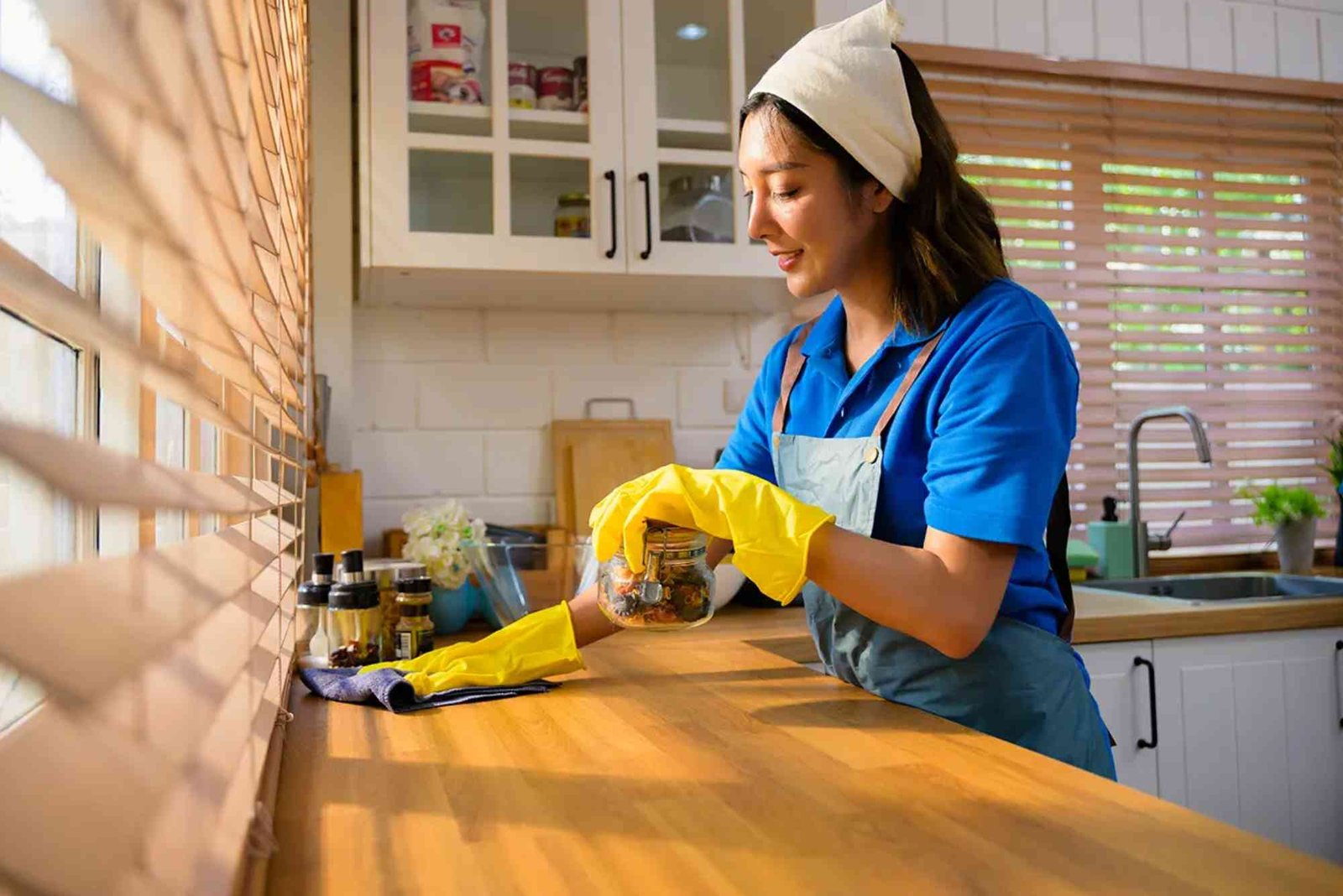
The kitchen is a hotspot for bacteria and grime. Deep clean appliances, including the oven, refrigerator, and microwave. Wipe down cabinets, shelves, and pantry containers. Clean grout, sinks, and countertops to prevent buildup of grease and mold.
Bathrooms
Bathrooms require careful attention due to moisture and germs. Scrub tiles, grout, and drains. Disinfect toilets, sinks, and bathtubs. Regularly replace or clean shower curtains, bath mats, and towels to maintain hygiene.
Living Areas and Bedrooms
Dust and allergens accumulate on furniture, carpets, and curtains. Vacuum carpets, clean under sofas, and dust surfaces thoroughly. Rotate mattresses and wash bedding to ensure a fresh, healthy environment.
Hidden Spaces
Don’t forget neglected areas like behind appliances, inside cabinets, under furniture, and ceiling fans. These spaces often harbor dust, pests, and allergens. A proper deep cleaning targets these overlooked spots.
Windows and Walls
Windows, doors, and walls accumulate dust, fingerprints, and grime over time. Washing windows and wiping down walls enhances light and freshness in the home. Pay special attention to window sills, blinds, and frames.
Tools and Products for Effective Deep Cleaning
Using the right tools and products makes deep cleaning more efficient and thorough.
Cleaning Tools
A high-quality vacuum with attachments, microfiber cloths, mop, scrub brushes, and dusters are essential. Extendable dusters help reach high places like ceilings and fans. Steam cleaners can sanitize floors, tiles, and upholstery.
Cleaning Products
Use disinfectants, all-purpose cleaners, and specialized products for glass, wood, or stainless steel. Eco-friendly cleaners reduce chemical exposure and environmental impact. Always follow safety instructions for concentrated products.
DIY vs Professional Deep Cleaning
Some homeowners prefer to deep clean themselves, while others hire professionals. Both approaches have benefits.
DIY cleaning offers flexibility and cost savings. It allows for careful attention to personal preferences and timing. However, it requires physical effort, time, and proper knowledge of cleaning techniques.
Professional cleaning saves time and ensures expertise. Services often include specialized equipment and chemicals for thorough sanitization. They are ideal for larger homes or when tackling challenging areas. You can learn about how often should a house be deep cleaned here.
Tips to Maintain Cleanliness Between Deep Cleans
Daily habits make deep cleaning easier and less frequent. Simple practices include wiping kitchen counters after use, sweeping high-traffic areas, and decluttering regularly. Encourage family members to participate in small cleaning tasks. Proper ventilation and controlling humidity prevent mold and dust accumulation.
Benefits of Regular Deep Cleaning
Regular deep cleaning offers multiple benefits. It reduces allergens, prevents pest infestations, and maintains the home’s value. Clean homes are visually appealing, healthier, and mentally refreshing. Proper maintenance of surfaces, carpets, and appliances extends their lifespan and saves money over time.
Understanding how often a house should be deep cleaned ensures a healthier, more comfortable living environment. While frequency depends on household size, lifestyle, and environment, a combination of seasonal, monthly, and annual deep cleaning works best. Prioritize neglected areas, use effective tools, and maintain cleanliness through daily habits.
Investing time or hiring professionals for deep cleaning protects your home and promotes well-being. For more expert home care tips, browse more home & decoration articles here, or explore insights from This Old House here. Make deep cleaning a regular part of your routine and enjoy a spotless, healthy home.
FAQ Section
How often should I deep clean my house if I have pets?
Homes with pets may require deep cleaning every 2-3 months due to fur, dander, and odors.
Can I deep clean my house by myself?
Yes, with proper tools, products, and techniques. Focus on neglected areas and use eco-friendly cleaners when possible.
Is professional deep cleaning worth it?
Professional services save time, provide specialized equipment, and ensure thorough sanitization, making them ideal for larger homes.
What is the difference between regular cleaning and deep cleaning?
Regular cleaning involves daily or weekly tidying, while deep cleaning targets hidden dirt, grime, and allergens in neglected areas.
Should I deep clean my house seasonally?
Yes, seasonal deep cleaning is recommended. Spring and fall are ideal for tackling major cleaning tasks and improving indoor air quality.