

Introduction
Choosing the perfect lipstick shade can transform your look, enhance your features, and boost your confidence. Yet, with countless colors, formulas, and finishes available, selecting the right one can feel overwhelming. Understanding your skin tone, undertones, and personal style can make the process effortless and enjoyable. In this guide, we’ll explore expert tips and techniques to help you determine the most flattering lipstick shades, ensuring you look radiant in any setting.
Understanding Your Skin Tone
Before selecting a lipstick, it is essential to understand your skin tone. Your skin tone forms the foundation for choosing colors that complement your natural complexion. Generally, skin tones are classified into three categories: fair, medium, and deep. Fair skin often pairs beautifully with soft pinks, peaches, and light corals. Medium skin can carry a wider range of shades, including warm reds, berries, and nude browns. Deep skin tones shine in bold colors such as deep plums, bright reds, and rich chocolate tones. Identifying your skin tone allows you to narrow down your lipstick options and prevents color clashes that may detract from your natural beauty.
Identifying Your Undertone
While skin tone provides a broad category, undertone is the hidden hue beneath the surface of your skin that can influence how a color looks against you. Undertones are generally warm, cool, or neutral. Warm undertones typically have yellow, golden, or peachy hues, while cool undertones show hints of pink, red, or blue. Neutral undertones are a balance of both and can adapt to various shades. A simple method to identify your undertone is to examine your veins. Greenish veins indicate warm undertones, bluish or purplish veins suggest cool undertones, and a mix indicates a neutral undertone. Knowing your undertone ensures your lipstick enhances your natural skin rather than clashing with it.
Lipstick Shades for Different Skin Tones and Undertones
Selecting the right shade involves combining skin tone and undertone. Fair skin with cool undertones pairs beautifully with soft pinks, mauves, and light berry shades. Fair skin with warm undertones looks radiant in peachy nudes, coral, and warm pinks. Medium skin with cool undertones can carry berry shades, rose tones, and fuchsia hues effectively. Warm undertones in medium skin glow with rich reds, terracotta, and caramel shades. Deep skin with cool undertones can wear deep purples, blue-based reds, and bright pinks, while warm undertones in deep skin are complemented by orange-reds, brick reds, and chocolate browns. Understanding these combinations helps you avoid shades that may wash you out or overpower your features.
Consider Your Lip Shape and Size
Beyond skin tone and undertone, your lip shape and size can influence how a lipstick shade appears. Fuller lips can handle bold and dark colors effortlessly, while thinner lips often benefit from lighter or glossier shades that create the illusion of volume. Vertical lines or texture can also affect the appearance of lipstick. Matte finishes emphasize texture, while creamy or glossy finishes smooth and reflect light. Matching your lipstick formula to your lip structure enhances your overall appearance and boosts confidence in your choice.
The Role of Occasion and Outfit
Your lipstick choice should also reflect the context in which you will wear it. Daytime looks often benefit from softer shades that are versatile and subtle. Office environments may call for muted tones, while evening events allow for bolder and more dramatic colors. Coordinating lipstick with your outfit can create harmony and complete your look. Neutral shades like nude, peach, or rose work with most clothing colors, while vibrant reds, plums, or berries can make a striking statement when paired with simpler outfits. Considering occasion and wardrobe ensures your lipstick feels intentional rather than accidental.
Testing Lipstick Before Purchase
Trying a lipstick before buying is crucial. Colors can appear differently under various lighting and against different skin tones. Swatching on your wrist or the back of your hand provides an initial idea, but testing on your lips is ideal. This allows you to assess how the shade interacts with your natural lip color and texture. Consider how the formula feels, its longevity, and whether it requires touch-ups. Testing in natural light ensures the color translates well outside stores and selfies. Additionally, applying a base lip balm or primer can give a more accurate representation of the lipstick’s finish and true color.
Lipstick Formulas and Finishes
Lipstick formulas impact both appearance and comfort. Matte lipsticks provide a bold, sophisticated look but may require more prep to avoid dryness. Creamy and satin finishes offer smooth, hydrated wear and subtle sheen. Glossy formulas reflect light for a fuller lip effect, while liquid lipsticks provide long-lasting color with minimal smudging. Choosing a formula that suits your lifestyle and comfort preferences ensures you feel confident while wearing your shade. Combining formula and finish with color allows your lipstick to complement your overall look seamlessly.
Experimenting with Trends and Personal Style
While guidelines for tone and undertone are helpful, your personal style should always be part of the decision. Don’t shy away from experimenting with trendy shades or unconventional colors if they resonate with your personality. Makeup is an expression of creativity, and the right lipstick can be a fun and bold statement. Seasonal trends may introduce unexpected shades, but balancing them with your skin tone and undertone ensures the experiment is flattering rather than overwhelming. Confidence in wearing a color often makes it look even more stunning.
Tips for Longevity and Maintenance
Selecting the best lipstick shade also involves understanding how to make it last throughout the day. Prepping your lips with exfoliation and moisturizer ensures smooth application. Using a lip liner in a complementary or matching shade prevents feathering and enhances shape. Layering lipstick with blotting and a second application increases longevity. Carrying the lipstick for touch-ups keeps your look polished. Proper maintenance ensures that even the most flattering shade stays fresh and vibrant without constant worry.
How to Build a Versatile Lipstick Collection
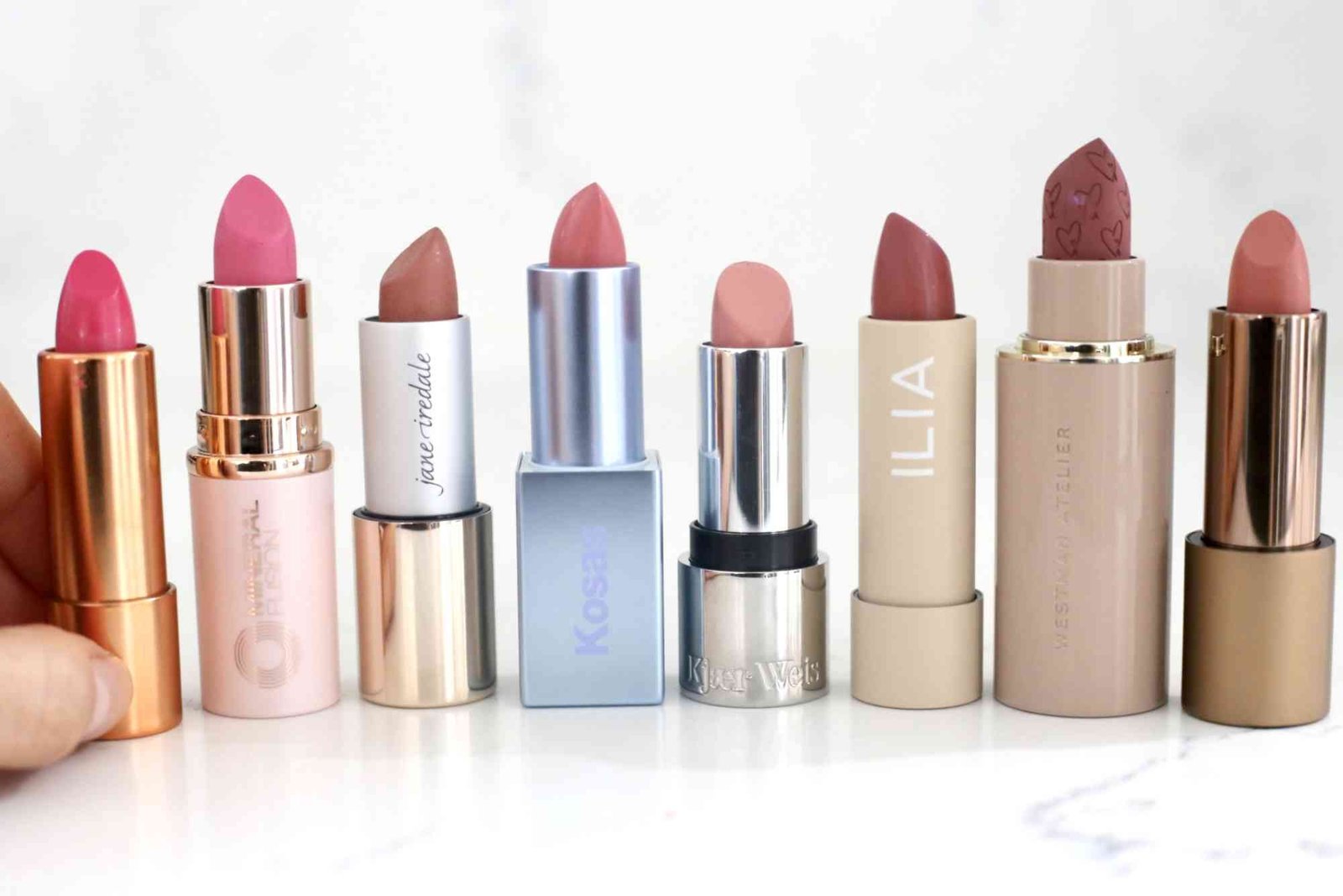
Once you understand your best shades, building a versatile collection is easier. Include essential nudes, day-to-day colors, bold statement shades, and seasonal favorites. Versatility allows you to match your mood, outfit, and occasion while staying within shades that complement your complexion. It also saves time by focusing on colors you know work well for you, eliminating guesswork when selecting lipstick. A thoughtfully curated collection combines practicality, style, and confidence.
Choosing the perfect lipstick shade is both an art and a science. Understanding your skin tone, undertone, lip shape, and personal style helps you select shades that enhance your natural beauty. Experimenting with formulas, finishes, and trends can make the process fun, while proper application ensures a polished look. The right lipstick not only complements your appearance but also boosts confidence and leaves a lasting impression. Begin exploring your ideal shades today and elevate your makeup routine effortlessly.
Discover your signature lipstick shade and transform your beauty routine. Try different formulas, test new shades, and embrace the perfect color for every occasion.
FAQ
What lipstick shade suits fair skin?
Soft pinks, peaches, and light corals generally complement fair skin tones, enhancing natural radiance without overwhelming features.
How do I know my undertone for lipstick?
Check your veins: greenish veins indicate warm undertones, bluish or purple suggest cool, and a mix indicates neutral undertones.
Can I wear bold lipstick if I have deep skin?
Absolutely. Deep skin tones can carry bold reds, purples, and chocolate tones beautifully. Choosing the right undertone ensures it flatters your complexion.
Are matte lipsticks better than glossy ones?
Not necessarily. Matte lipsticks provide bold color, while glossy or creamy finishes enhance fullness and comfort. Choose based on preference and occasion.
How do I make my lipstick last longer?
Prep lips with exfoliation and balm, use a lip liner, apply lipstick in layers, and blot in between for extended wear.
Is it okay to break the “rules” and try unconventional shades?
Yes. Makeup is about self-expression. Experiment with trends and bold colors that match your personality and confidence.