

Introduction
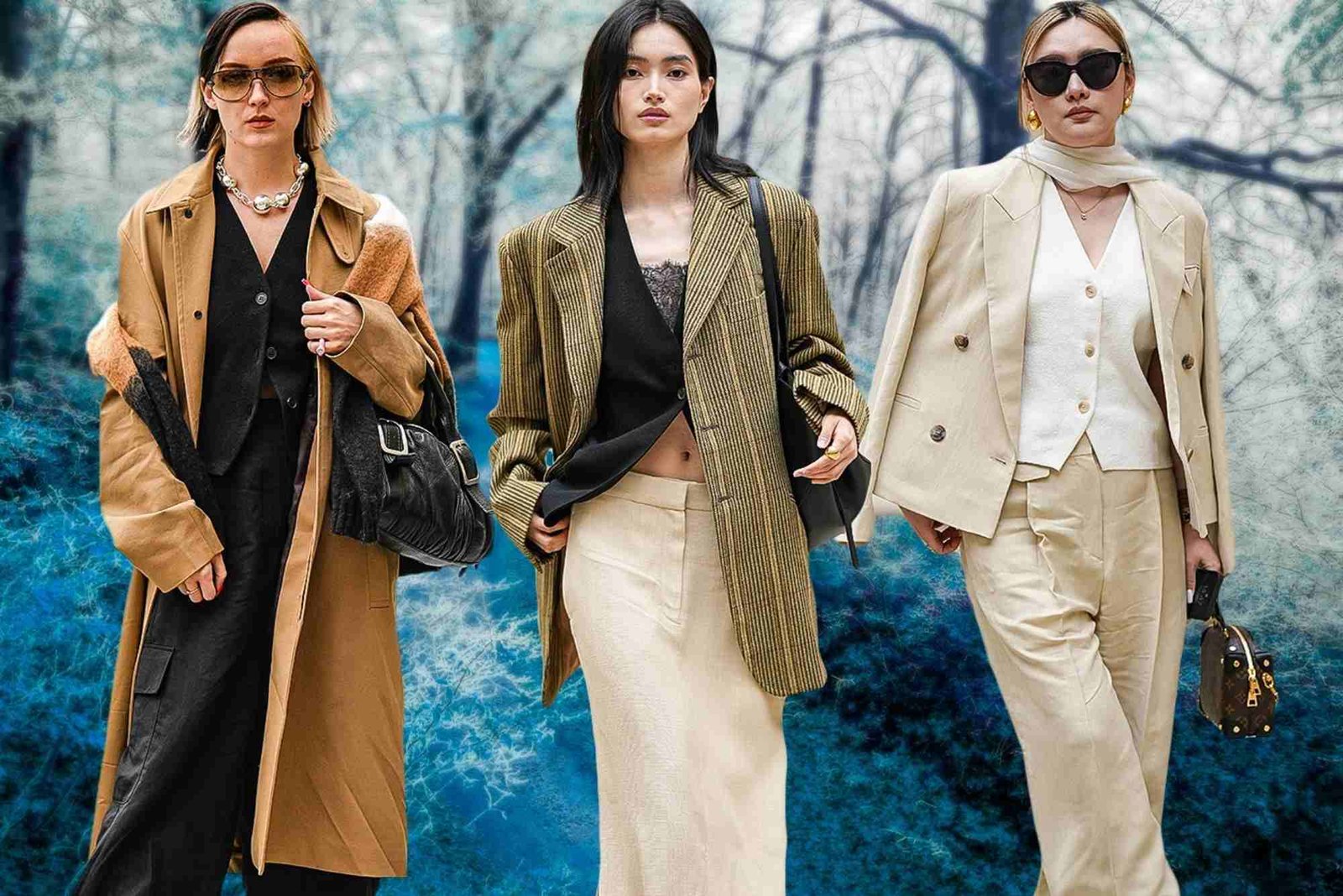
Layering clothes is one of the most versatile and stylish ways to elevate your wardrobe. Not only does it provide functionality by adapting to changing temperatures, but it also allows for creative expression through textures, colors, and proportions. Knowing how to layer clothes for a chic look can instantly transform a basic outfit into a polished ensemble. With the right techniques, layering can make your wardrobe feel fresh, modern, and sophisticated, regardless of your body type or personal style.
Mastering the art of layering is about balance. The goal is to combine pieces in a way that looks effortless, yet intentional. When done well, layers create depth and dimension, making outfits visually interesting. From structured blazers over casual shirts to flowing coats over sweaters, each piece can contribute to a layered look that is both stylish and practical. In this guide, we’ll explore essential tips, techniques, and ideas for layering clothes for a chic look.
Understanding the Basics of Layering
Start with Lightweight Foundations
The key to effective layering is beginning with lightweight base pieces. Thin, breathable tops such as fitted tees, long-sleeve shirts, or turtlenecks act as the foundation for your outfit. These pieces allow you to add bulkier items without feeling restricted. Choosing neutral tones for the base layer creates a versatile palette to build upon, while printed or textured foundations can add subtle interest.
Mix Textures and Fabrics
Combining different fabrics adds visual depth. Pairing smooth materials like silk or satin with structured knits or wool creates contrast that elevates the overall look. Layering leather jackets over soft cotton shirts or pairing velvet blazers with delicate tops introduces tactile diversity, making your outfit look thoughtfully styled. Mixing textures also prevents the ensemble from appearing flat or monotonous.
Play with Proportions
Proportions are crucial when layering for a chic look. Balance oversized pieces with fitted garments to maintain a flattering silhouette. For example, a long, flowy cardigan pairs beautifully with slim pants, while a cropped jacket complements a high-waisted skirt. Paying attention to length and volume ensures each layer enhances your body shape rather than overwhelming it.
Strategic Layering Techniques
The Classic Cardigan and Jacket Combo
One of the simplest ways to layer is by combining a cardigan with a jacket or blazer. Start with a neutral shirt, add a fitted cardigan, and finish with a tailored blazer. This technique creates a polished appearance suitable for work or casual outings. Accessories like scarves or belts can enhance the chic factor, while keeping the look cohesive and intentional.
Sweater Over Dress or Top
Wearing a sweater over a dress or a button-up shirt is a timeless layering trick. Choose a slightly oversized sweater to create a relaxed vibe without looking sloppy. This approach works well with midi dresses or slim-fitting skirts. For colder weather, layering a coat or trench over the sweater adds warmth while maintaining style.
Monochrome Layering
Layering within the same color family creates an effortlessly chic effect. Different shades of the same hue add dimension while remaining sophisticated. For instance, pairing beige trousers with a cream sweater and a tan coat creates a harmonious look. This method simplifies styling decisions and ensures a polished outfit without much effort.
Adding Statement Outerwear
Outerwear is often the final layer, but it can also serve as the focal point of your ensemble. Long coats, capes, or trench coats instantly elevate any layered outfit. When layering, ensure your outerwear complements rather than overpowers the underlying pieces. Structured coats create sharp silhouettes, while softer outerwear lends a more relaxed, approachable feel.
Accessorizing Layers for Extra Flair
Scarves and Shawls
Scarves are not only practical but also add texture and color to layered outfits. Lightweight scarves can be draped around the neck or tied in creative ways, while chunky knit scarves bring warmth and visual interest during winter. Shawls and wraps provide additional layering options without adding bulk to your overall silhouette.
Belts and Waist-Defining Pieces
Adding a belt over layers creates shape and structure. Whether it’s a slim belt over a cardigan or a wide belt cinching a coat, defining the waist ensures your layers do not appear shapeless. This technique is particularly effective when working with oversized layers or voluminous fabrics.
Jewelry and Accessories
Subtle jewelry can elevate layered looks by adding sophistication. Long necklaces, layered chains, and statement earrings complement the outfit without competing with the textures and colors of the clothing. Accessories like hats or gloves can also enhance the aesthetic, especially in cooler months.
Seasonal Layering Tips
Spring and Summer Layering
During warmer months, opt for breathable fabrics like cotton, linen, or lightweight knits. Layering thin shirts under sleeveless dresses or light cardigans over tops allows you to adapt to fluctuating temperatures. Summer layering is often more about visual interest than warmth, so focus on colors, prints, and accessories to enhance the outfit.
Fall Layering
Fall is ideal for experimenting with textures and muted tones. Incorporate layers like leather jackets, light sweaters, and scarves. The key is to mix mid-weight fabrics with long-sleeve layers, creating warmth without bulk. Earthy colors like rust, olive, and mustard complement fall’s aesthetic, giving your layered outfits a seasonal edge.
Winter Layering
Winter requires thoughtful layering to balance warmth with style. Start with thermal or fitted base layers, add sweaters or knitwear, and finish with coats, puffer jackets, or trench coats. Don’t forget accessories like hats, gloves, and thick scarves, which enhance both functionality and chic appeal. Layering for winter often combines practicality with high fashion, allowing for bold statement outerwear.
Mistakes to Avoid When Layering
Overloading Layers
One of the most common mistakes is adding too many layers, which can appear bulky and unflattering. Stick to 3–4 layers maximum, balancing fitted and loose pieces to avoid overwhelming your frame. Each layer should serve a purpose, whether for warmth, texture, or style.
Ignoring Color Harmony
Clashing colors can ruin an otherwise chic layered outfit. Stick to complementary tones or create monochrome looks for elegance. Avoid pairing too many bold patterns together unless balanced carefully with neutral foundations.
Neglecting Fit
Layers that do not fit properly can disrupt proportions and silhouette. Oversized items should be balanced with tailored or fitted layers, while slim pieces pair well with flowy garments. A well-fitted base layer ensures that additional pieces enhance rather than hinder the overall look.
How to Layer for Different Occasions
Work and Office
For professional settings, opt for structured layers such as blazers, tailored cardigans, and button-up shirts. Neutral tones, minimal prints, and polished fabrics maintain a professional aesthetic. Accessories like belts, scarves, and understated jewelry add elegance without being distracting.
Casual and Weekend Outfits
Casual layering allows for more experimentation with textures, patterns, and relaxed fits. Pair hoodies with denim jackets, oversized sweaters with leggings, or flowy tops under light jackets. Layering for casual outings is about comfort and effortless style, giving you the freedom to mix prints, fabrics, and colors.
Evening and Formal Events
Layering for evening or formal events requires attention to sophistication. Silk blouses under tailored jackets, dresses paired with structured coats, and monochrome color schemes can create a polished appearance. Statement outerwear or accessories can elevate the look further, making layered outfits feel luxurious.
Layering clothes is both a practical and creative way to enhance your wardrobe. By combining textures, balancing proportions, and carefully selecting colors, you can create a chic look for any occasion. Mastering this skill allows you to adapt outfits to changing weather, express personal style, and appear effortlessly stylish. Whether you’re layering for work, casual outings, or evening events, thoughtful layering can elevate your fashion game instantly. Begin experimenting with your wardrobe today, and embrace the endless possibilities that chic layering offers. Layering isn’t just about clothing—it’s a form of self-expression that communicates confidence and style.
Start layering your wardrobe now! Experiment with textures, colors, and accessories, and discover your signature chic style.
FAQ
What is the best way to layer clothes for a chic look?
Start with lightweight base pieces, add mid-layers for texture, and finish with statement outerwear. Balance proportions and mix fabrics for depth.
Can layering work for all body types?
Yes, layering works for every body type. Balance oversized pieces with fitted layers and use belts to define your waist.
How many layers are ideal for a chic outfit?
Generally, 3–4 layers are ideal. Too many layers can appear bulky, while too few may look incomplete.
Are accessories important in layering?
Absolutely. Scarves, belts, and jewelry add dimension, polish, and visual interest to layered outfits.
Does color choice matter when layering?
Yes, choose complementary colors or monochrome schemes for a cohesive, sophisticated look.