
How Why Refrigerators Run Nonstop And Waste Power Works
Refrigerators are essential appliances in every home, keeping food fresh and beverages cold. However, when a refrigerator runs nonstop, it not only increases your electricity bill but may also signal underlying problems. Understanding how why refrigerators run nonstop and waste power works can help homeowners identify issues, save energy, and prolong appliance life. This guide dives into the causes, effects, and practical solutions for refrigerators consuming more power than necessary.
Why Refrigerators Run Nonstop
A refrigerator is designed to cycle on and off, maintaining a stable temperature. When it operates continuously, something is preventing it from reaching its set temperature. Recognizing the common reasons is the first step to solving the problem.
Thermostat Settings
If the thermostat is set too low, the fridge works harder to reach the desired cold level. Overly cold settings lead to constant compressor activity. Adjusting the thermostat to the manufacturer’s recommended temperature can reduce nonstop operation.
Dirty Condenser Coils
Dust and debris on condenser coils prevent heat from dissipating efficiently. When coils are dirty, the compressor overworks, running nonstop to maintain the internal temperature. Cleaning the coils every six months improves efficiency and reduces energy waste.
Door Seals and Gaskets
Damaged or loose door seals allow cold air to escape. This forces the refrigerator to operate continuously to compensate for lost cool air. Inspecting and replacing worn gaskets is a simple but effective solution.
Overloaded or Improperly Stored Items
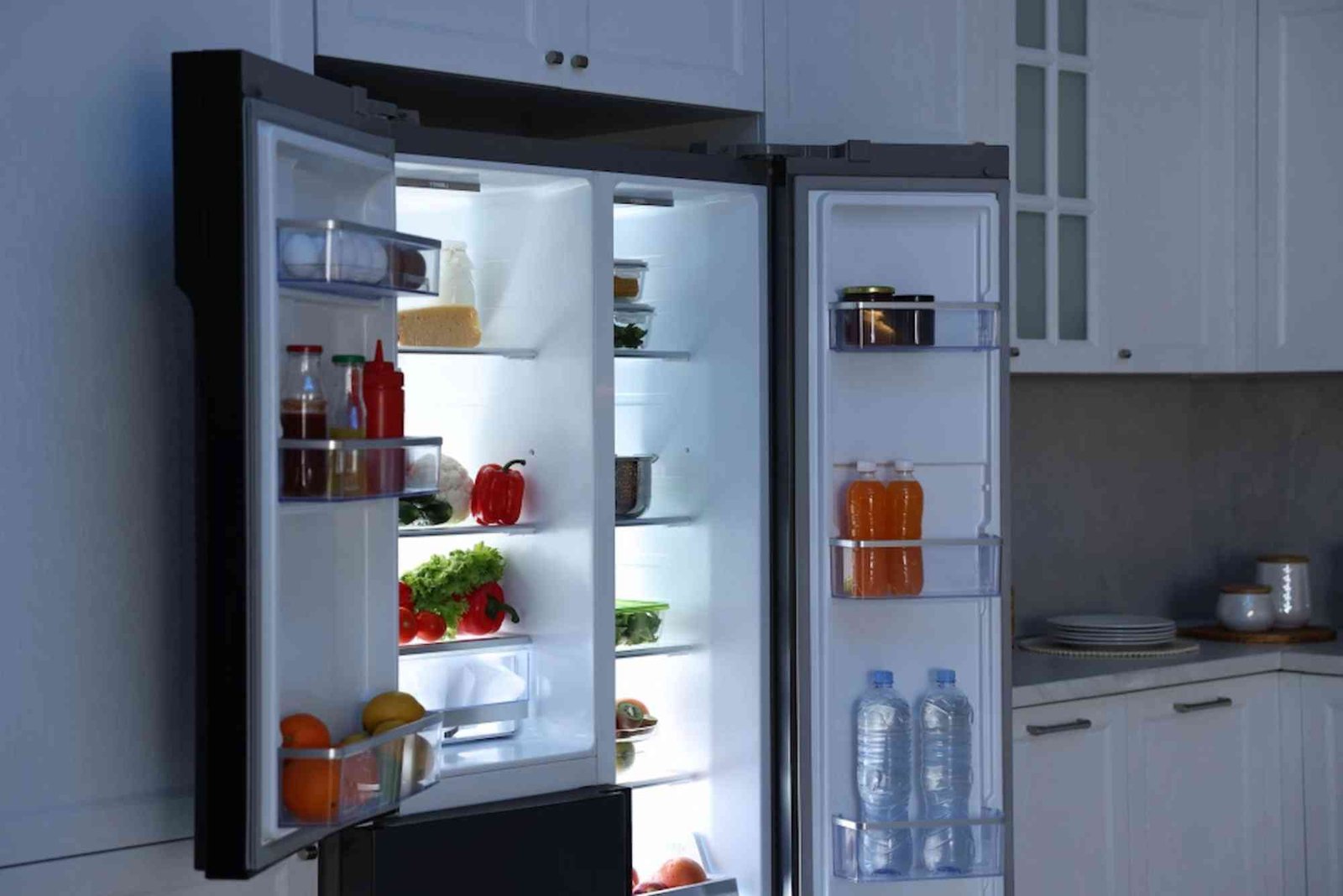
Overfilling the fridge can block air vents and restrict airflow, making the appliance work harder. Similarly, storing hot items or placing food directly against the back wall can trigger continuous operation. Organizing items properly ensures even cooling.
Frequent Door Openings
Opening the fridge door frequently allows warm air in, prompting the compressor to run nonstop. Minimizing door openings and keeping items organized reduces unnecessary energy consumption.
Environmental Factors
High ambient temperatures, direct sunlight, or proximity to heat sources make the refrigerator work harder. Placing the appliance in a cooler, ventilated area improves efficiency and prevents nonstop operation.
How Nonstop Operation Wastes Power
A refrigerator running nonstop consumes more electricity than one cycling normally. Understanding the impact helps homeowners make better energy decisions.
Increased Energy Bills
Continuous operation increases power usage, leading to higher utility bills. A typical refrigerator uses between 100 to 800 kWh annually, but nonstop operation can exceed these numbers significantly.
Accelerated Wear and Tear
Running nonstop stresses the compressor, fan, and other components. Over time, this can lead to premature failure, requiring costly repairs or replacements.
Environmental Impact
Excessive energy consumption contributes to carbon emissions, affecting the environment. Reducing energy waste aligns with sustainable living practices.
Practical Solutions to Reduce Power Waste
Addressing nonstop operation requires simple, practical steps that anyone can implement.
Regular Maintenance
Routine cleaning of coils, replacing gaskets, and checking temperature settings ensures efficient operation. Consider scheduling professional maintenance annually.
Optimal Temperature Settings
Set the refrigerator at 37–40°F (3–4°C) and the freezer at 0–5°F (-18 to -15°C). These temperatures maintain freshness while minimizing energy use.
Organize Contents Strategically
Keep items away from air vents, avoid overpacking, and store hot food after it cools to reduce strain on the compressor.
Minimize Door Openings
Plan meals and organize contents so doors are opened less frequently. This simple habit can significantly reduce energy consumption.
Upgrade to Energy-Efficient Models
Modern refrigerators with Energy Star ratings use advanced compressors, better insulation, and smart sensors. These models reduce power usage and prevent nonstop operation.
Common Misconceptions About Refrigerator Energy Use
Understanding myths can help homeowners make informed decisions.
Myth 1: New Refrigerators Don’t Need Maintenance
Even modern, energy-efficient models require regular maintenance. Houzz Ignoring upkeep can lead to unnecessary energy consumption.
Myth 2: Frost-Free Equals Energy-Free
Frost-free fridges prevent ice buildup but still need cleaning, proper temperature, and organization to avoid power waste.
Myth 3: Bigger Refrigerators Always Use More Energy
Energy consumption depends on model efficiency, age, and usage, not just size. Some large, modern fridges are more efficient than smaller, older models.
Signs Your Refrigerator is Wasting Power
Being proactive helps catch issues early. Watch for:
-
Ice buildup in the freezer
-
Warm spots inside the fridge
-
Loud or constant compressor noise
-
High energy bills without increased usage
Addressing these signs early saves money and extends appliance life.
Learn More
If you want to learn about why refrigerators run nonstop and waste power, consider checking home appliance guides and energy-saving tips. You can also explore related home & decoration resources for better appliance placement and efficiency strategies. Websites like Houzz offer practical ideas to optimize home appliance usage.
FAQ Section
Why is my refrigerator running nonstop but still warm inside?
This could indicate a faulty thermostat, dirty condenser coils, or poor door seals. Inspect each and adjust settings as needed.
How often should I clean my refrigerator coils?
Cleaning every six months is recommended to maintain efficiency and prevent nonstop operation.
Can overpacking my fridge cause higher energy bills?
Yes, blocking air vents reduces airflow and forces the compressor to work harder, consuming more power.
Does the refrigerator running nonstop mean it’s broken?
Not always. It may indicate environmental factors, door issues, or temperature settings. Check basic functions before assuming a breakdown.
How do I know if my fridge is energy-efficient?
Look for Energy Star ratings or check the model’s annual kWh usage compared to similar appliances. Energy-efficient models reduce power waste significantly.
Should I replace door gaskets if they look worn?
Absolutely. Even small leaks allow cold air to escape, causing nonstop operation and higher energy bills.
Understanding how why refrigerators run nonstop and waste power works is essential for every homeowner. From cleaning coils to adjusting temperatures and organizing contents, small changes can prevent energy waste. Regular maintenance not only lowers electricity bills but also extends your fridge’s lifespan.
Take control today: inspect your refrigerator, optimize settings, and adopt energy-saving habits. For more ideas on efficient home appliances and decor, explore related home & decoration resources or visit Houzz for inspiration.