
How Why Your Oven Door Wont Open After Cleaning Cycle Works
Have you ever run the self-cleaning cycle on your oven, only to find that the door refuses to open afterward? This is a common frustration for many homeowners. Understanding how why your oven door wont open after cleaning cycle works — everything you need to know can save you stress, prevent damage, and help you safely access your oven again. In this guide, we’ll break down the reasons, solutions, and precautions so you can handle this issue with confidence.
Why Your Oven Door Wont Open After Cleaning Cycle
When your oven door sticks after a cleaning cycle, it is usually due to one of several mechanical or safety features. Ovens are designed this way to protect you from burns and ensure proper operation.
Self-Cleaning Lock Mechanism
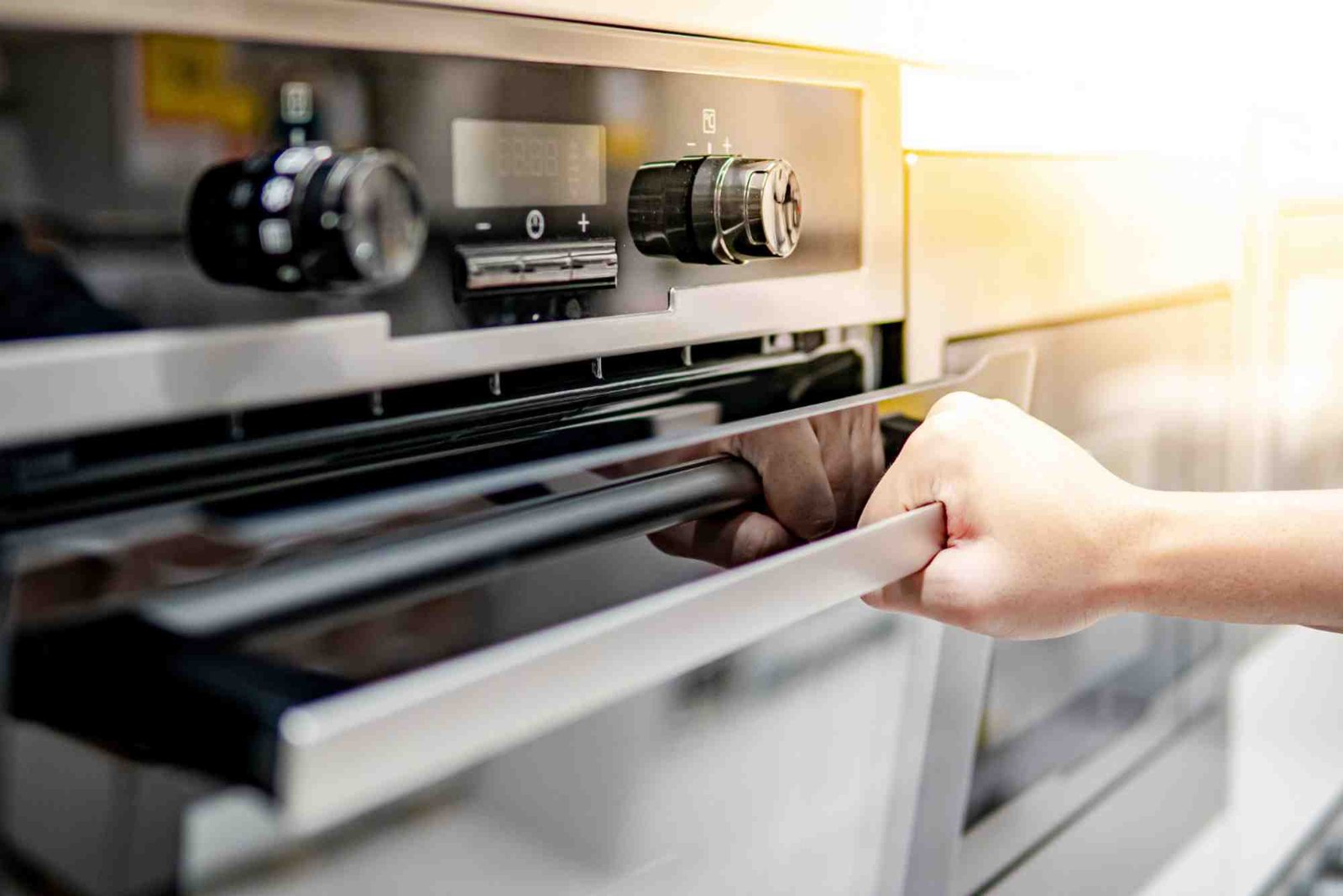
Most modern ovens feature an automatic locking mechanism during self-cleaning. This is a safety measure because the oven reaches extremely high temperatures, often above 900°F. The door remains locked until the oven fully cools. Trying to force it open can damage the latch or hinges.
Heat Expansion of Components
During cleaning, metal components expand due to the intense heat. The oven door latch and frame may expand slightly, making the door stick temporarily. Cooling naturally resolves this, but it can take several hours.
Debris or Residue Blocking the Latch
Sometimes, leftover food particles or cleaning residues prevent the latch from disengaging. If the oven wasn’t wiped down before the cycle, residue can harden and obstruct the mechanism.
Electrical or Sensor Issues
Some ovens rely on electronic sensors to detect when the cleaning cycle is complete. If a sensor malfunctions, the door may remain locked even after the oven cools.
How to Safely Open Your Oven Door After Cleaning Cycle
It’s tempting to force the door open, but this can cause permanent damage. Here’s how to safely address the issue.
Wait for Complete Cooling
The simplest solution is patience. Modern ovens have a built-in timer that keeps the door locked until the interior temperature is safe. Waiting at least 2–4 hours is recommended.
Reset the Oven
Turning off the oven and unplugging it for 10–15 minutes can sometimes reset the electronic lock. This works well for sensors that may have been triggered incorrectly.
Check the Lock Mechanism
Inspect the door latch for debris. If food residue is present, gently clean it with a soft cloth and warm water. Avoid using sharp tools that could damage the latch.
Consult the Manual
Oven manufacturers often provide instructions for unlocking a stuck door. Following the user manual ensures you won’t void your warranty or break internal components.
Common Mistakes to Avoid
Many homeowners unintentionally worsen the problem. Here are the most common mistakes:
-
Forcing the door open while the oven is hot
-
Using metal tools to pry the latch
-
Ignoring unusual sounds during the cooling process
-
Skipping routine maintenance, which can cause buildup and sticking
Avoiding these mistakes keeps your oven safe and functional.
Preventive Tips to Avoid a Stuck Oven Door
Preventing this issue is easier than fixing it. Consider these steps:
Regular Cleaning Before Self-Cleaning Cycle
Remove large food particles before starting the self-cleaning cycle. This Old House This reduces residue and prevents latch blockage.
Use Recommended Cleaning Cycles
Always follow manufacturer guidelines. Avoid overusing high-temperature cycles, which can overheat components and stress the locking mechanism.
Routine Maintenance
Lubricate hinges as recommended and check for signs of wear. Regular care ensures smooth operation and reduces sticking.
Monitor Sensor Functionality
If your oven frequently locks for no apparent reason, a faulty sensor may need professional attention. Monitoring early signs prevents bigger repairs.
When to Call a Professional
If none of the safe methods work, professional help is the best choice. Attempting repairs without expertise can void warranties or damage the appliance. A certified technician can:
-
Diagnose electrical or sensor malfunctions
-
Replace faulty locks or latches
-
Ensure your oven is safe to operate
For a detailed solution, see our complete why your oven door wont open after cleaning cycle guide to ensure proper care.
Frequently Asked Questions (FAQs)
Why does my oven door stay locked after cleaning?
Ovens have a safety lock that engages during high-heat self-cleaning. It remains locked until the oven fully cools to prevent burns.
How long should I wait for the oven door to unlock?
Typically, 2–4 hours is sufficient. Waiting ensures the oven has cooled and prevents damage to the latch or hinges.
Can I force the door open if it’s stuck?
No. Forcing it can break the latch, bend hinges, or cause other damage. Use safe unlocking methods or call a professional.
What if my oven is old and the door never unlocks?
Older ovens may have worn latches or sensors. In this case, a technician should inspect and replace parts as necessary.
How can I prevent this from happening again?
Remove debris before self-cleaning, follow manufacturer guidelines, and perform routine maintenance on hinges and latches.
Expert Advice and Additional Resources
For detailed maintenance and tips, trusted sources like This Old House provide excellent guidance on oven care. You can also explore home & decoration insights for ways to integrate preventive appliance maintenance into your household routines.
Understanding how why your oven door wont open after cleaning cycle works — everything you need to know empowers you to act safely and prevent future issues. Remember to wait for cooling, check the latch, and avoid forcing the door. Regular maintenance is key to smooth oven operation.
If your oven door remains stuck or shows signs of sensor failure, don’t hesitate to consult a certified technician. For a full breakdown of troubleshooting techniques, explore our complete why your oven door wont open after cleaning cycle guide. Safe cleaning and proper care will ensure your oven lasts for years to come.