
Introduction
Running a restaurant is as much about strategy as it is about cooking. One of the most critical areas that can influence both customer satisfaction and your bottom line is the menu. Understanding portions, pricing, and how customers perceive value can transform your restaurant from average to exceptional. In this guide, we’ll dive deep into restaurant menu tips, focusing on portion sizes and price insights to help you make informed decisions and enhance the dining experience.
Understanding Portion Sizes for Customer Satisfaction
Portion sizes are more than just about filling a plate—they directly impact how customers perceive your value. Oversized portions may seem generous, but they can lead to increased food costs and waste. On the other hand, undersized portions may leave customers feeling unsatisfied, even if the quality is excellent. Striking the right balance is essential. Consider your target audience, the type of cuisine, and whether your restaurant leans toward casual dining or fine dining. Each segment has different expectations.
Portion Psychology and Perceived Value
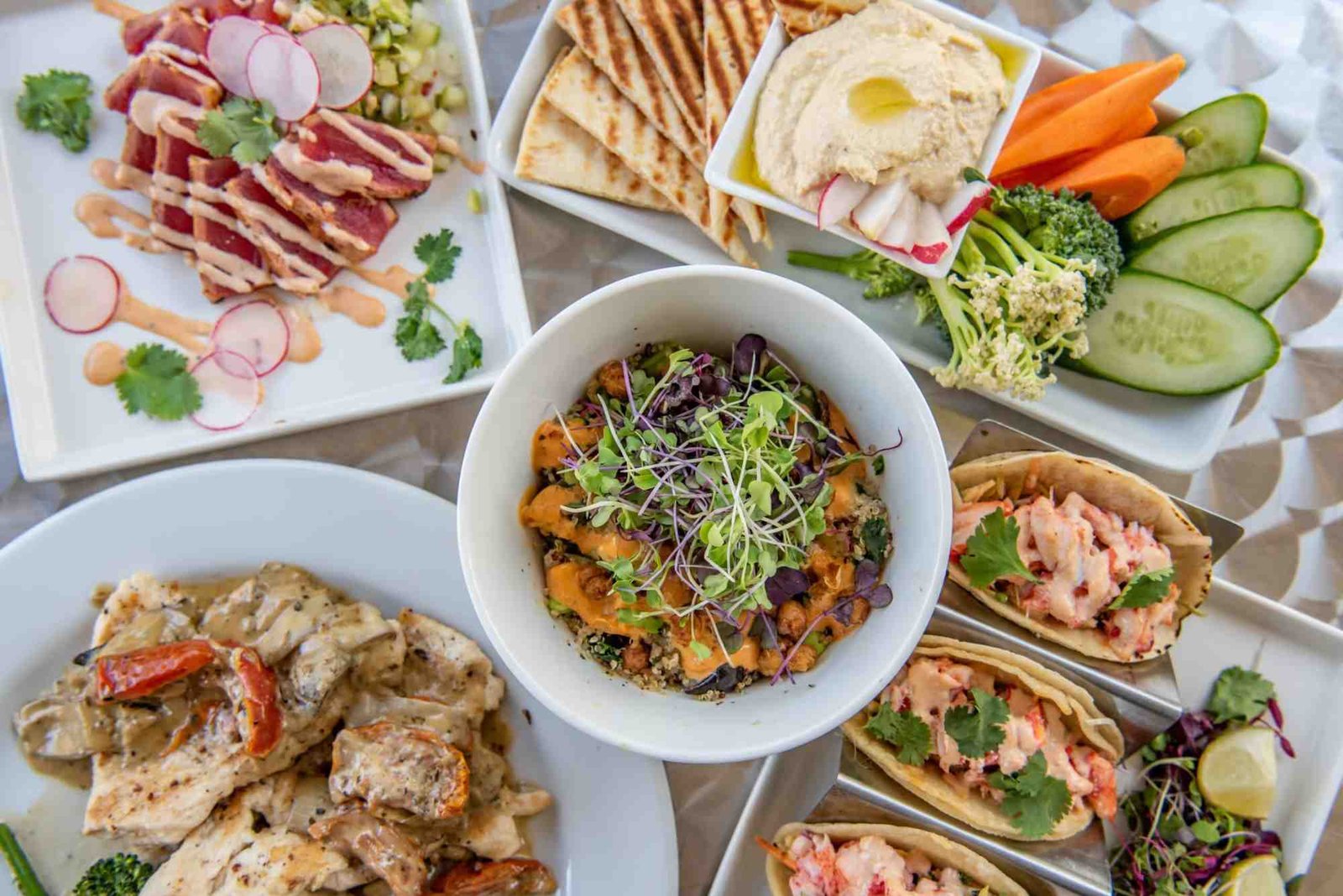
Customers often associate portion size with value for money. A plate that looks abundant can make diners feel they are getting more, even if the price is slightly higher. Using visual cues such as garnishes, plating height, and contrasting colors can make portions appear generous without necessarily increasing food costs. Portion psychology is a subtle but powerful tool to increase satisfaction while maintaining profitability.
Pricing Strategies That Make Sense
Pricing your menu items correctly is crucial for both profitability and customer retention. An effective strategy considers food cost, preparation time, and the perceived value by the customer. Avoid underpricing high-quality dishes, as this can create a perception of lower quality. Conversely, overpricing can discourage repeat visits. Analyze your competitors, review local market trends, and adjust your menu pricing accordingly.
Using Menu Engineering to Maximize Profits
Menu engineering involves categorizing items based on popularity and profitability. This method helps identify which dishes bring in the most revenue and which may need a rethink. For example, high-profit, low-popularity items can be promoted with appealing descriptions or paired with more popular dishes. Conversely, low-profit, low-popularity items may need to be removed or revamped. Menu engineering is a continuous process that combines analytics with creativity.
Balancing Quality and Quantity
Maintaining the quality of ingredients while managing portion sizes is key. Customers are more likely to return if they feel the dish meets expectations both in flavor and quantity. High-quality ingredients can justify slightly higher prices, especially when portions are thoughtfully designed. Focus on ingredients that deliver flavor and satisfaction without unnecessarily increasing costs. For chefs and restaurant owners, this balance often requires experimentation and careful feedback collection.
Seasonal and Local Sourcing for Cost Efficiency
Another way to control costs while delivering satisfying portions is by using seasonal and local ingredients. Seasonal produce tends to be fresher, more flavorful, and less expensive than imported alternatives. Local sourcing can also reduce transportation costs and allow for smaller, fresher batches that enhance the dining experience. Restaurants that embrace seasonal menus often gain customer loyalty and can market the freshness as part of their appeal.
Leveraging Visual Menu Design
Menu design is more than aesthetics—it influences purchasing decisions. Use high-quality images selectively to highlight signature dishes. Avoid cluttering the menu with too many options; this can overwhelm customers. Highlighting items with bold fonts, boxes, or icons subtly guides choices without forcing them. Consistent design can also reflect the style of your restaurant, whether modern, casual, or upscale.
Educating Staff About Portions and Pricing
Front-of-house staff play a vital role in communicating portion sizes and pricing to customers. Well-informed servers can explain why a dish is priced a certain way, offer portion recommendations, and upsell complementary items without appearing pushy. Training staff to understand both the menu and customer psychology ensures a smoother dining experience and can improve average ticket sizes.
Monitoring Customer Feedback
Customer feedback is essential for fine-tuning menu portions and prices. Use surveys, online reviews, and direct feedback during service to identify patterns. For instance, if multiple customers comment on portions being too small, consider adjusting the size or offering add-on options. Conversely, if a dish is consistently left unfinished, it may be over-portioned or priced incorrectly. Regular monitoring allows proactive adjustments that enhance satisfaction and profitability.
Technology for Menu Insights
Digital tools and restaurant management software can provide actionable data on menu performance. Tracking which items sell most, which have the highest margins, and how seasonal changes affect sales allows for data-driven decisions. Pairing technology with customer feedback ensures a holistic approach to menu optimization. For those interested in detailed market comparisons and updates, explore resources like Serious Eats.
Sustainable Practices in Menu Planning
Sustainability is increasingly influencing dining choices. Restaurants that reduce food waste, use eco-friendly packaging, and source responsibly resonate with environmentally conscious customers. Sustainability practices can also be integrated into menu portions, encouraging balanced servings that reduce excess without compromising satisfaction. Educating customers about these initiatives enhances brand reputation and loyalty.
Upselling and Cross-Selling Smartly
Menu layout can facilitate upselling and cross-selling without being aggressive. Suggest complementary items or portion upgrades in a natural, subtle way. For example, offering a slightly larger side portion at a reasonable price can increase revenue while adding perceived value. Smart menu structuring can turn standard orders into higher-ticket experiences.
Analyzing Competitor Pricing and Portions
Understanding how competitors price their dishes and present portion sizes provides valuable insights. Benchmarking your offerings ensures you remain competitive while differentiating your restaurant through quality, creativity, and customer experience. Regularly reviewing competitor menus, promotions, and customer reactions helps maintain relevance in a dynamic market. For industry trends and practical tips, you can learn about which brands offer modern restaurant chairs wholesale to enhance your dining space and complement menu strategy.
Optimizing menu portions and pricing requires a blend of psychology, analytics, and creativity. From designing visually appealing menus to balancing portion sizes, leveraging technology, and understanding customer perceptions, every element contributes to the overall dining experience. Paying attention to details ensures that customers feel valued and satisfied, while restaurants maintain profitability and operational efficiency. Implement these restaurant menu tips today to elevate both your customer experience and your bottom line. For ongoing insights on culinary trends, ingredients, and restaurant strategies, check out our food insights.
For anyone who loves exploring new flavors and culinary delights, a detailed guide can make all the difference. Discover tips, recipes, and food inspiration in this ultimate food lover’s guide to elevate your meals and dining experiences: A Food Lover’s Guide.
FAQ Section
How do I determine the ideal portion size for my restaurant?
Consider your target audience, dish type, and dining style. Customer feedback and trial portions can guide adjustments.
What is the best way to price menu items?
Calculate food costs, prep time, and perceived value. Compare competitors and monitor sales trends for optimal pricing.
Can menu design affect customer choices?
Yes, strategic design, images, and layout guide selections subtly while reflecting your brand’s style.
How often should I update my menu?
Seasonal updates are recommended, but minor adjustments can be made monthly based on sales data and feedback.
How can technology improve menu performance?
Software tracks sales, margins, and customer preferences, allowing data-driven adjustments to portions and pricing.
Where can I find more tips on restaurant trends and equipment?
For trends, ingredient insights, and operational advice, visit Serious Eats.