

Introduction
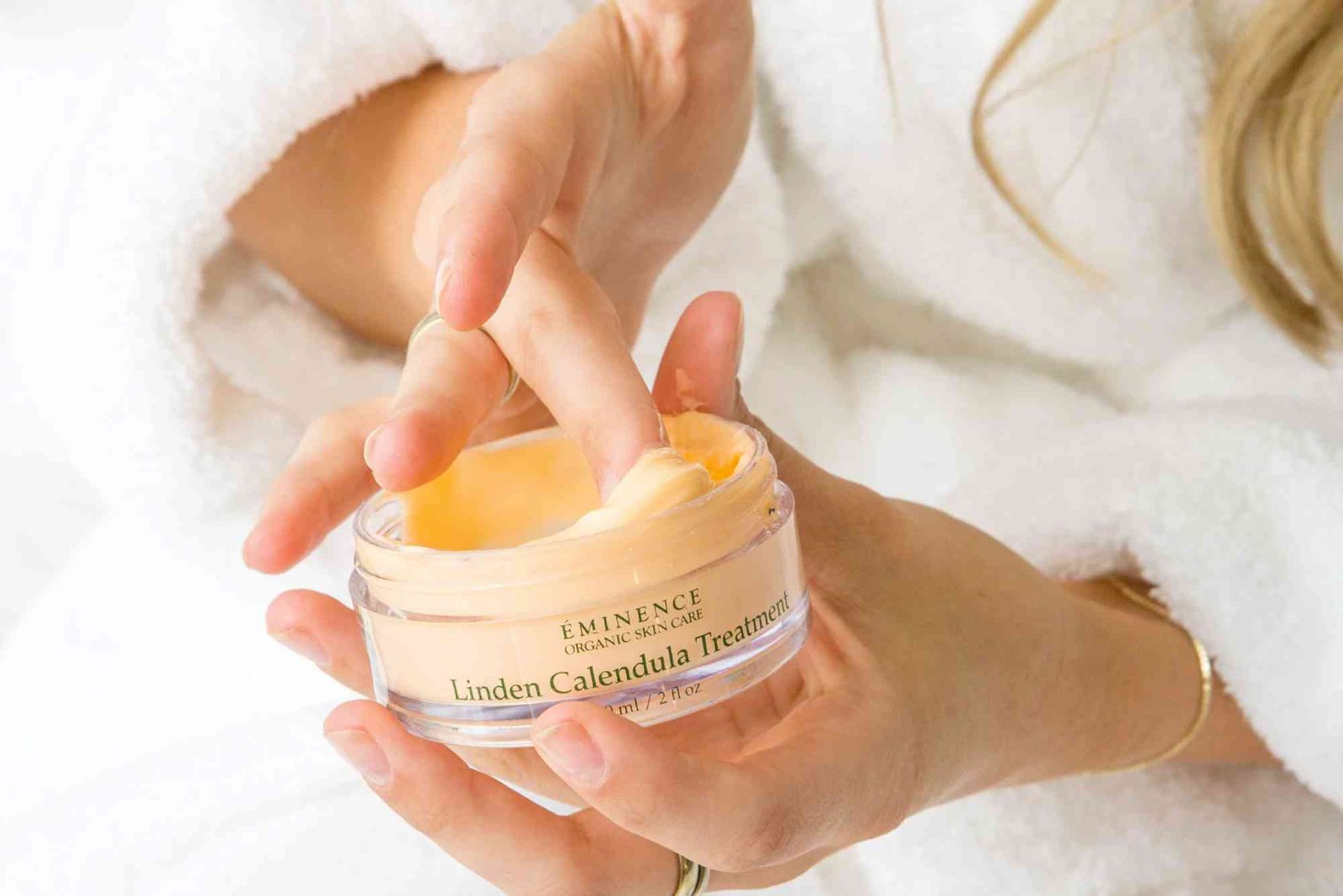
Dry skin can feel tight, rough, and uncomfortable, making it essential to adopt a proper skincare routine. A well-structured approach not only restores hydration but also prevents flaking, redness, and premature aging. This guide will walk you through everything you need to know about the Skincare Routine for Dry Skin Complete Guide, from cleansing to long-term care. By following these expert tips, you can achieve healthy, nourished, and radiant skin every day.
Understanding Dry Skin
Dry skin occurs when your skin lacks natural oils and moisture. It can result from genetics, environmental factors, aging, or harsh skincare products. Common signs include rough texture, visible flaking, tightness, and dullness. Understanding the root cause of dryness helps you select the most suitable products and treatments for your skin type.
Factors such as cold weather, low humidity, frequent hot showers, or excessive use of alcohol-based cleansers can worsen dryness. Additionally, aging decreases the skin’s ability to retain moisture, making daily care essential. A consistent skincare routine can protect the skin barrier, lock in hydration, and restore softness.
Cleansing for Dry Skin
Cleansing is the first step in any skincare routine, but for dry skin, choosing the right cleanser is crucial. Avoid harsh soaps or foaming cleansers that strip natural oils. Instead, use gentle, hydrating cleansers with creamy or oil-based formulas.
Look for ingredients like glycerin, hyaluronic acid, and ceramides, which help maintain moisture levels. Cleansing should be done twice a day, in the morning and before bed, to remove impurities without dehydrating the skin. Over-cleansing can worsen dryness, so stick to a gentle routine.
Exfoliation: Do It Carefully
Exfoliation removes dead skin cells, allowing moisturizers to penetrate better. For dry skin, chemical exfoliants with mild acids like lactic acid or mandelic acid are preferable. Physical scrubs can be too abrasive and may cause micro-tears.
Exfoliate once or twice a week to avoid irritation. Always follow up with a hydrating moisturizer to replenish lost moisture and protect the skin barrier. Exfoliation can brighten dull skin and prevent flaky patches, making your skin appear smoother and more radiant.
Toning: Rebalancing Your Skin
Toners for dry skin should focus on hydration rather than astringency. Avoid alcohol-based toners that can dry out the skin further. Look for soothing ingredients such as rose water, aloe vera, or chamomile.
Toning helps restore the skin’s pH balance, tightens pores slightly, and prepares the skin for the next steps in your routine. It can also deliver an extra layer of hydration when combined with humectants like glycerin.
Moisturizing: The Core Step
Moisturizing is vital for dry skin as it locks in hydration and strengthens the skin barrier. Opt for thick, creamy moisturizers that contain emollients and occlusive agents such as shea butter, squalane, and ceramides.
Apply moisturizer immediately after cleansing or toning to seal in moisture. Layering products like hydrating serums before moisturizer can enhance effectiveness. Night creams often contain richer ingredients, ideal for repairing the skin barrier while you sleep.
Serums and Treatments
Hydrating serums can deliver concentrated moisture to the skin. Look for serums containing hyaluronic acid, niacinamide, or peptides. These ingredients boost hydration, improve elasticity, and reduce fine lines caused by dryness.
For areas prone to extreme dryness, consider using facial oils like jojoba, argan, or rosehip oil. Oils help lock in moisture and restore the skin’s natural lipid barrier, giving a soft, supple texture.
Sun Protection for Dry Skin
Even dry skin needs sun protection. UV exposure can worsen dryness, cause premature aging, and lead to sunspots. Use a broad-spectrum SPF 30 or higher daily, even during winter or on cloudy days.
Choose sunscreens with hydrating properties rather than matte or drying formulas. Ingredients like glycerin or hyaluronic acid in sunscreen can provide added moisture and prevent irritation.
Lifestyle Habits to Support Dry Skin
Proper skincare is only one part of the solution. Lifestyle choices significantly impact skin hydration. Drinking plenty of water throughout the day keeps skin plump and hydrated.
Eating a balanced diet rich in omega-3 fatty acids, antioxidants, and vitamins supports skin health from within. Limiting hot showers, harsh soaps, and prolonged exposure to dry environments can prevent moisture loss. Using a humidifier at home, especially in winter, can add necessary moisture to the air and help your skin stay hydrated.
Nighttime Skincare Routine
Nighttime is the perfect opportunity to repair dry skin. Start with a gentle cleanser, followed by a hydrating toner and serum. Apply a rich moisturizer or night cream, and for extra nourishment, layer a facial oil on top.
Sleeping on a silk pillowcase can reduce friction and moisture loss, keeping the skin barrier intact. Avoid heavy makeup or harsh treatments before bed, as dry skin needs a gentle, nourishing approach.
Common Mistakes to Avoid
Many people with dry skin unintentionally worsen their condition. Avoid over-cleansing, skipping moisturizer, or using alcohol-based products. Excessive exfoliation can damage the skin barrier, leading to redness and sensitivity.
Hot water can strip natural oils, so opt for lukewarm showers. Selecting the right products for dry skin rather than experimenting with harsh formulas ensures long-term skin health and prevents irritation.
Natural Remedies for Dry Skin
Natural remedies can complement your skincare routine. Ingredients like honey, aloe vera, and coconut oil have moisturizing and soothing properties. Applying a thin layer of aloe vera gel or honey mask once a week can calm irritation and replenish moisture.
Oatmeal baths are also beneficial for dry, itchy skin. They provide gentle exfoliation and hydration simultaneously, making the skin soft and comfortable. Natural remedies work best when used alongside a consistent skincare regimen.
Choosing the Right Products
Selecting products for dry skin requires attention to ingredients and formulation. Avoid sulfates, high alcohol content, and fragrances that can irritate sensitive skin. Prioritize products labeled hydrating, nourishing, or for sensitive skin.
Patch-testing new products ensures you avoid allergic reactions or further dryness. Combining creams, serums, and gentle cleansers designed for dry skin delivers the best results over time.
Maintaining Skin Hydration Throughout the Day
Even with a good routine, dry skin may need touch-ups during the day. Carry a hydrating facial mist or lightweight moisturizer to refresh your skin. Avoid rubbing your skin harshly and gently pat it when applying products.
Regular hydration, combined with the right skincare, ensures your skin remains soft, radiant, and healthy-looking throughout the day.
A consistent Skincare Routine for Dry Skin Complete Guide can transform dry, flaky, and uncomfortable skin into soft, smooth, and radiant skin. By following gentle cleansing, careful exfoliation, hydrating toners and serums, rich moisturizers, and proper sun protection, you can protect your skin barrier and prevent dryness. Incorporate lifestyle changes such as adequate water intake, a balanced diet, and a humidified environment to maximize results.
Invest in quality skincare products tailored for dry skin, and avoid harsh routines or unnecessary experimentation. With patience and dedication, dry skin can feel nourished and revitalized every day. Start your journey today toward healthier, hydrated skin.
Take action now and build your personalized skincare routine for dry skin to experience the comfort and glow your skin deserves.
Discover the Best Hair Oils for Hair Growth and Thickness that nourish your scalp, strengthen roots, and promote healthy, shiny hair. Packed with natural ingredients like argan, castor, and coconut oil, these oils help reduce breakage, prevent hair fall, and enhance volume. Regular use can transform thin, weak hair into thick, luscious locks. Explore the perfect hair oil for your routine and unlock your hair’s full potential.
FAQ
How often should I moisturize dry skin?
Moisturize twice daily, after cleansing in the morning and before bed, to maintain hydration and repair the skin barrier.
Can I use exfoliators on dry skin?
Yes, but choose gentle chemical exfoliants once or twice a week. Avoid harsh scrubs to prevent irritation.
Which ingredients are best for dry skin?
Look for hyaluronic acid, ceramides, glycerin, shea butter, squalane, and natural oils like jojoba or argan oil.
Is sun protection necessary for dry skin?
Absolutely. UV exposure can worsen dryness, cause premature aging, and damage the skin barrier. Use SPF 30 or higher daily.
Can natural remedies help with dry skin?
Yes. Aloe vera, honey, coconut oil, and oatmeal baths provide hydration, soothe irritation, and complement your skincare routine.
What’s the best nighttime routine for dry skin?
Use a gentle cleanser, hydrating toner, serum, rich moisturizer, and optional facial oil. Sleep on silk pillowcases to reduce friction and moisture loss.